 RSS
RSS

Food and Beverage Top Stories
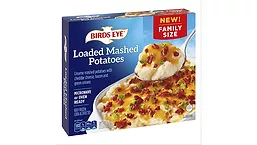
Future of Frozen Food 2025 Report
New report reveals new frozen food trends, generational insights and areas shaping the $91.3 billion US frozen food market
Read More

Sweetness in Dairy, Redefined
With consumers demanding lower sugar without any loss of comforting flavor, the dairy food industry has made great strides in reducing sugars in dairy products
Read More

Tracking the Snack Habits of Foodservice, Retail Consumers
Circana finds consumers embracing indulgence and meal “snackification”
Read More

How to Solve the Cocoa Challenge
New ingredients, angles, options to extend or replace chocolate
Read More

How AI, Consumer Trends Will Shape the Future of the CPG Industry
Emerging technologies, economic shifts, and changing consumer expectations are redefining how companies innovate, market, and build trust
Read More
Food and Beverage Market Trends Study, 2025 Outlook
New Circana report provides a comprehensive update on the 2024 performance in the global retail food and beverage industry
Read More

Should Use of AI be Declared on Food and Beverage Labels?
Consumers believe food and beverage manufacturers should declare if a product has been made with the assistance of artificial intelligence, new research shows
Read More
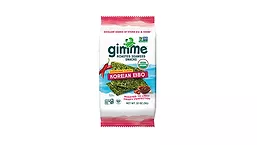
Satisfying Cravings: Exploring the Trends Shaping the Future of Snacking
From healthier options to bold flavors, discover what’s driving consumers to snack smarter and indulge more
Read More


Look Beyond Your Industry: The Key to Anticipating and Navigating Trends
Break free from industry silos and discover how cross-sector influences can shape your next big innovation
Read More
