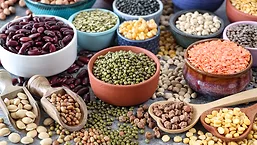
Products labeled both "wild harvested" and "organic" may seem contradictory, but USDA rules allow uncultivated crops to earn certification under strict harvesting and land-management requirements. From organic allulose and maple syrup to Amazonian superfruits and wild botanicals, brands are finding new ways to bring certified organic ingredients to market.
Consumers increasingly say they want less sugar and sodium, but taste remains a critical barrier to adoption. Advances in natural sweeteners, fermentation-derived ingredients and flavor-enhancement technologies are helping formulators balance health goals with sensory appeal.
With no universally accepted definition of ultra-processed foods, industry stakeholders face growing consumer pressure, regulatory uncertainty and questions about processing.
The campaign against ultra-processed foods continues to gain momentum, but the term itself remains scientifically and legally undefined. As regulators consider formal definitions and consumers grow increasingly wary of processing, food manufacturers must navigate a complex landscape where perception, nutrition science and policy do not always align.
Internationally accomplished chef Professor Hinnerk Von Bargen, of the Culinary Institute of America in San Antonio, shares his unique perspectives on the UPF controversy.
In an insightful interview at the Culinary Institute of America, Chef Hinnerk Von Bargen challenges the negative perception of "ultra-processed foods." He highlights the importance of multi-step processing through examples like sourdough and tofu, emphasizing that these practices enrich our culinary culture and nutrition.
Growing consumer focus on health, fitness and functional nutrition continues to fuel innovation and demand across animal- and plant-based protein markets
Protein’s evolution from essential nutrient to mainstream functional ingredient has transformed food and beverage innovation, with demand projected to climb steadily over the next decade. As brands expand protein fortification across categories, formulators face the challenge of balancing nutrition goals with the taste, texture and sensory experiences consumers expect.
Upcycled ingredients continue to gain traction as brands look to reduce food waste while adding nutritional and functional value to formulations. Industry experts say the next phase of growth will depend on mainstream retail expansion, consumer education and scalable innovation.
Consumers seek indulgent foods and beverages that deliver comfort, sensory excitement and emotional well-being through bold flavors, rich textures and premium experiences
Innova Market Insights’ “Layers of Delight” trend reveals how indulgence is evolving beyond simple treats to include mood support, sensory appeal and health-conscious features. From Dubai chocolate to premium dairy desserts, brands are balancing comfort, texture and flavor innovation with consumer demand for emotional wellness and better-for-you ingredients.
As consumers demand more targeted health benefits, formulators are shifting focus from total protein content to amino acids, peptides and bioactive fractions with specific physiological roles
Protein claims may dominate packaging, but the next wave of innovation is happening at the molecular level. From bioactive peptides and free amino acids to complementary plant proteins and functional protein fractions, developers are rethinking how protein delivers performance, health benefits and consumer value.
Snack brands are infusing protein, fiber, and prebiotics into indulgent snacks like chips and popcorn, catering to consumers seeking tasty experiences with added nutrition. New products from PepsiCo, J&J Snack Foods, Kraft, and Perfect Snacks illustrate this balance in better-for-you options.
 RSS
RSS