How digestion, the Microbiome, and Gut Health Could Influence Cognition and Mental Well-Being
Evidence mounts on the important link between the gut and brain, as studies show the nutritional alteration of gut function is tied to enhancements in cognition

Consumers are showing high interest in botanicals that contain neuroprotective compounds or phytochemicals known to aid focus.
PHOTO COURTESY OF: Applied Food Sciences, Inc.

Saffron extracts recently have demonstrated a capacity for improving sleep and alleviating some symptoms of depression.
PHOTO COURTESY OF: Pharmactive Biotech Products, SL

Probiotics are at the center of the digestive health/immunity trend, but research is supporting their possible mood health benefits.
PHOTO COURTESY OF: Lifeway Foods Co.
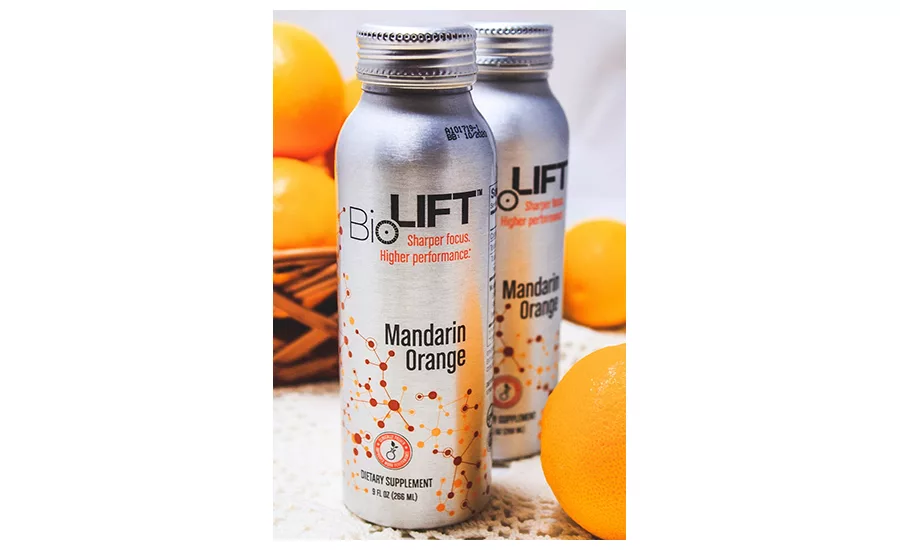
Natural, non-caffeinated options for beating the midday slump and staying sharp and focused are trending strongly among young adults.
PHOTO COURTESY OF: InnoBev, Ltd.

Of the lipids compounds critical for the health of brain and mood, phosphatidyl serine and phosphatidic acid are among the most crucial.
PHOTO COURTESY OF: Lipogen US, Inc.
In the quest to sharpen the mind and retain cognitive health through the lifespan, old favorite and upcoming nutrition ingredients are making headlines.
Mounting research into causes of dementia and cognitive decline have produced the recognition that two of the potentially modifiable risk factors into these conditions are diet and exercise. In a recent study at King’s College, London 418 adults age 65 and up were tested every two to three years over a 12-year period. Results revealed that cognitive decline and Alzheimer’s Disease were linked to levels of neural stem cell death. Importantly, underlying which was low levels of vitamin D, carotenoids, and lipids.
The study built on the evidence of the protective effect of certain foods, such as coffee, cocoa, fish, and red wine—which are sources of those nutrients and others—and was confirmed in a 2019 study that identified a signature of metabolites that are predictive of cognitive decline. The signature included three coffee metabolites, a biomarker of citrus intake, a cocoa metabolite, two metabolites putatively derived from fish and wine, three medium-chain acylcarnitines, glycodeoxycholic acid, lysophosphatidylcholine, trimethyl-lysine, glucose, cortisol, creatinine, and arginine.
Gut feeling
One of the most recent advances in understanding how the head works has been understanding what goes on in the “belly”–that is, understanding the so-called “gut-brain connection.” The science establishing the effect of digestive health and nutrition on brain and mind performance is firm. We are what we eat.
As with many other health conditions, there is an evolving understanding about how digestion, the microbiome, and gut health could influence cognition and mental well-being. Evidence mounts on the important link between the gut and brain, as studies show the nutritional alteration of gut function is tied to enhancements in cognition.
In a recent study, the microbe Akkermansia muciniphila CIP107961, was associated with countering the detrimental cognitive effects on working memory and recognition of a high-fat, high-cholesterol diet. it was also associated with a restoration in brain metabolism.
The activities of adaptogens—botanical ingredients believed to help the body and mind adapt to stress over time—also might be related to a healthy microbiome. For example, American ginseng has long been associated with benefits to mental and physical health, and studies have confirmed some of these claims. But a new study revealed improvements in the microbiome are a possible mechanism for those activities of American Ginseng. In a study where American Ginseng was found to produce improved working memory and attention in the short-term, and longer-term improvements in cognition on an acetylcholine-sensitive task and improved mental fatigue and self-assurance aspects of mood, consistent microbiome alternations were also found. Significant increases in levels of short-chain fatty acid and A. muciniphila were observed over the three weeks of American Ginseng supplementation. There also was a clear upward trend in Lactobacillus levels, another well researched beneficial gut microorganism.
Vitamins for thought
Vitamins and nutrients that are traditional aids in the quest for supporting optimal wellness. They also are gaining recognition for having important roles in cognitive health. In a recent randomized controlled clinical trial, researchers found that supplementation with the omega-3 fatty acid eicosapentaenoic acid (EPA) in young adults produced significant cognitive improvements in global accuracy and memory scores. Moreover—and surprisingly—it produced improvements in these higher-order cognitive functions where docosahexaenoic acid (DHA) did not.
DHA did produce cognitive improvements in this study, but these were limited to during the learning phase of overnight memory consolidation tasks. This was interpreted as a possible indication that EPA could be more beneficial for healthy young adults in terms of cognitive outcomes.
Omega-3’s continue to be in the spotlight for cognition well into older age, as a new study found daily supplementation over a period of six months with 2.3g of polyunsaturated fatty acids (PUFAs) (1.7g DHA and 0.6g EPA) in Alzheimer’s patients and subjects with Alzheimer’s related biomarkers correlated to better memory test scores. In this study, those who took the omega-3 supplementation had stable scores, whereas the scores of the patients in the control group deteriorated.
In recent years, vitamin D revealed its importance in multiple areas of health maintenance, including the area of cognition. Several studies have shown a relationship between vitamin D and cognitive performance as evidenced via cell differentiation, neurogenesis, and neurotransmitter synthesis. A recent study added to this understanding by showing a correlation between higher serum levels of the 25-hydroxycholecalciferol form of D and a protective effect on cognitive performance.
Vitamin K2 also seems to provide a protective benefit against the effects of Alzheimer’s disease. Among its activities that lead to this suggestion are its antiapoptotic (anti-cell death) and antioxidant effects and its positive effects in mitigating decline in mitochondrial function, cognition, cardiovascular health, and other comorbidities in Alzheimer’s Disease. It also is known to help decrease neuroinflammation.
Evidence has long established the link between the B vitamin folate and neural and cognitive development in the fetal brain. But recent research is showing that the development of the fetal brain in later pregnancy is sensitive to folate concentrations as well. In a follow-up study of 11 year old children whose mothers were part of the study on folic acid supplementation in the second and third trimester, those whose mothers took folic acid scored significantly higher in two processing speed tests and in verbal comprehension in girls compared to placebo.
The results of this study were a follow-up to previous findings at 3 and 7 years old which showed cognitive benefit. It also is believed to have a beneficial effect on the semantic processing of language.
Nutrition and individual nutraceutical ingredients continue to show beneficial effects not only on physical wellness, but on cognition and mental well-being from in utero brain development and throughout the lifespan. In the quest to look and feel young, as well as to perform at peak mental ability, cognition is an area of health that will be increasingly relevant for consumers of all generations.
Kerry Hughes, MS, principal for EthnoPharm, is an ethnobotanist, herbalist, and author with a 20-year record of success in natural product development. EthnoPharm specializes in global natural product development and education, innovative product formulation, and nexus-of-market opportunity identification. With a focus on ethnobotanical discovery and strategic innovation, Hughes and EthnoPharm continue to expand the boundaries of new natural product development, catalyze applied phyto-product breakthroughs, and bring to market new, efficacious, and profitable products that not only heal people but help protect the threatened global biodiversity.
Newer discoveries in nutraceuticals are being correlated with recent research to cognition. As one example, a specialized extract of Sideritis scardica, commonly known as Greek Mountain tea, has been shown to benefit cognitive performance by helping to boost the ability to concentrate and lower anxiety levels during times of high stress. Other effects include increasing blood flow to the brain, improving the ability to process information, and improving cognitive health, especially regarding mental flexibility and memory.
Green oat extract has exhibited cognitive performance benefits as well, especially in persons under chronic stress. In a randomized, double-blind, placebo-controlled study, a positive response on the physiological stress response demonstrated the acute and chronic effects of green oat extract on cognitive function and mood. Significant improvement in the working memory as well as in cognition during multitasking settings also were evident.
Saffron has been making the news recently with the recent publication of a dose-response, double-blind, placebo-controlled clinical study that showed that, when taken before bedtime, has a natural elevating effect on melatonin (the so-called “sleep hormone”), and is associated with improvements in sleep quality ratings, mood ratings after awakening, and Insomnia Symptom Questionnaire (ISQ) total scores.
Ergothionene is an amino acid found in mushrooms, as well as taken up in plants through soil and fungal associations. It is a unique antioxidant and evidence suggests it may eventually be recognized as a vitamin. It acts as a cellular protector, counteracting inflammatory conditions and preserving cognition through aging. Correlations have been found between low ergothioneine status and onset of cognitive decline, and new advances in understanding th unique ingredient have been made.
It had previously been known that ergothioneine has the ability to accumulate in the brain and has neuroprotective properties, but recent studies reveal it also has activities such as neurogenesis and neuronal differentiation, which may explain benefits to cognitive health. In animal models, it is also shown to have beneficial effects on sleep and depression.
Although curcumin is not quite a new ingredient, a new preclinical study shows that it could potentially help reduce damage from Alzheimer’s disease on organs other than the brain. In the brain, curcumin was shown to decrease amyloid deposition, pTau, cell loss, and inflammatory markers. There also were positive effects on health of the spleen, kidney, lungs, and liver.
Sesame oil cake extract, rich in phenolic lignans, was found in a recent, placebo-controlled clinical study to have benefits for persons with mild cognitive impairment. Subjects took 1.5g daily for 12 weeks. By the end of the study, the researchers found significant improvement in verbal memory scores in the supplementation group vs. the placebo, as well as decreases in blood concentrations of amyloid-beta, a known predictive factor for Alzheimer’s disease.
Looking for a reprint of this article?
From high-res PDFs to custom plaques, order your copy today!


