Protein Integration in Nutritional Baked Goods
The inclusion of protein into baking represents a profound shift that combines nutritional enhancement with the intrinsic pleasure of baked goods
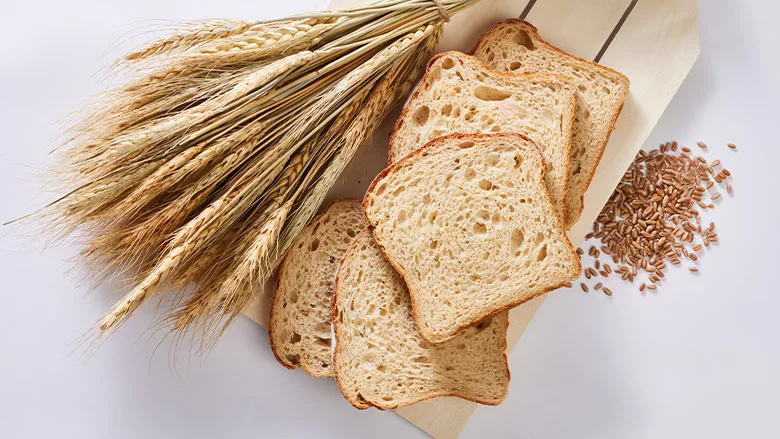
Today’s bakery innovators are balancing the artistry of flavor with the science of nutrition to ensure healthy nutrition and a pleasurable sensory experience.
PHOTO COURTESY OF: EQUII Foods, Inc.
The evolution that brought the protein fortification trend into baking goes beyond mere recipe adaptation; it represents a deep recognition of protein’s multifaceted role in dietary wellness and the fundamental nature of baking. At the heart of this innovative shift is a focus on amino acids, specifically the nine that are critical to human health.
This shift is ushering in an era where time-honored baking practices seamlessly merge with the principles of nutritional science, establishing baked goods not only as a mealtime accompaniment, but also as a substantial, protein-rich offering that can stand at the center of the dining experience. Through this innovative lens, the familiar act of baking is not only preserved; it is elevated, becoming a culinary craft that supports well-being without sacrificing the inherent sensory satisfaction that has been prized across cultures and generations.
Traditionally, proteins such as glutenin and gliadin have been favored in baking for their role in dough texture and structure. However, as consumer awareness of health, nutrition, and sustainability has grown, the focus has shifted to incorporating a broader range of protein sources into baking.
This initiative aims not only to improve nutritional profiles but also engenders a concerted effort to understand and optimize the impact of these different proteins on the organoleptic qualities of baked creations. In such an evolving landscape, bakers and food scientists face a complex challenge of judiciously selecting protein sources that not only meet the increasing demand for healthier options, but also positively contribute to the flavor and textural attributes critical to consumer enjoyment.
In light if this, it is necessary to understand how different proteins affect consumers’ sensory experience of specific baked products. Today’s bakers and food scientists are challenged to select protein sources and formats that enhance flavor, texture, function, and nutritional value.
Protein Complete
The plant-based diet movement, driven by health and environmental concerns, has spurred innovation in the creation of plant-based complete proteins. This is important because traditional plant-based proteins, without consideration of their amino acid profiles, could lead to nutritional deficiencies. The art of baking now involves using proteins that provide a full spectrum of essential amino acids.
In addition to the inclusion of isolates or other protein extracts, opportunities to add sustainable nutrition to baked goods can be effected through diversifying whole protein sources by adding seeds, legumes, or other such sources. This also provides consumers with a variety of textures, flavors, and nutritional benefits. Such an approach further enriches foods with a greater variety of macronutrients by contributing more fiber, healthier carbohydrates, and healthful oils, ultimately appealing to diverse consumer tastes and dietary needs.
Challenge Accepted
Identifying the best sources of protein for different types of baked and hot-extruded products (breads and pastries, cookies, cakes, cereals, etc.) highlights a significant innovation challenge in the baking industry. Traditionally, bakery products received no significant addition of protein other than gluten, a constituent protein of wheat that helps restore some of the structure when flour is replaced with resistant starch for low-carb offerings. However, adding gluten does not necessarily improve the nutritional value of baked goods, despite marketing claims to the contrary.
In recent years, there has been a marked increase in the addition of pea protein, soy protein, or a combination of proteins to bread to improve nutrition. For example, Kodiak Cakes, LLC, successfully incorporated soy protein into its waffle and pancake mixes, resulting in a product line that has been well received in the marketplace. Still, the penetration of these concepts into true baked goods, while rising rapidly, remains marginal, and commercial advances have been limited.
Part of the challenge is that many extracted or isolated proteins, especially those from legumes such as soy and pea, can have bitter back notes or pose textural difficulties. For that reason, the flavor profile of these products might not match the mainstream consumer palate, creating a gap in meeting consumer expectations for both nutrition and taste.
Bakery giant Bimbo Bakeries USA’s “Grains Almighty” line of high-protein breads represents a concerted effort to circumvent these challenges. Marketed alongside the company’s Arnold, Brownberry, and Orowheat brands, the Grains Almighty Plant Protein breads are enhanced with a blend of sprouted whole grains, chickpea flour, and pea protein (as well as gluten). Grains Almighty breads boast 9g protein, 19g whole grains, and 5g fiber in every two-slice serving—around 25-33% more than the average bread slice.
Science Steps In
Integrating scientific tools and techniques into the study of protein interactions in baking provides a deeper understanding of how to achieve desired textural properties in baked goods.
Many baked goods are valued for their textural properties, such as chewiness, bite, sponginess, and a melt-in-the-mouth quality. To ensure the desired texture, it is critical to understand the interactions of the protein with other recipe components to avoid adverse effects on the dough during rising or the formation of bonds between the native proteins of wheat and the starch.
Techniques such as Texture Profile Analysis (TPA) using a Texture Analyzer can be used to determine the strength and flexibility of the starch-protein network, which forms the base structural matrix of baked products. The firmness and springiness attributes correlate with the strength or weakness of these starch-protein interactions and both types of interactions can be desirable in different types of baked goods based on consumer preference across geographies.
For example, in Asia many consumers prefer soft and fluffy breads, whereas in Europe, firm and chewy breads are more desirable. The other components in the recipes and dough processing techniques can be used to enhance the starch-protein interactions to accomplish these desired textural attributes.
Techniques such as co-immunoprecipitation (Co-IP) and pull-down assays provide insight into stable or strong protein-protein interactions that are essential for forming the structural matrix of baked products. In addition, crosslinking protein interaction analysis stabilizes transient or weak interactions, providing a clearer picture of how proteins behave under various baking conditions.
The Protein Structure and Interaction Analyzer (PSAIA) provides advanced computational methods for detailed analysis of protein interactions. By calculating attributes such as solvent-accessible surface area (ASA) and relative solvent-accessible surface area (RASA), PSAIA helps predict how changes in protein content may affect a formulation. For example, the Atomic Nucleus Distance method defines interacting residues based on proximity, which can affect gluten formation and consequently the crumb structure of bread.
Similarly, the ASA “Change on Complexation” method identifies the impact of adding or modifying proteins in a dough, providing valuable insight into how these changes can influence the nutritional label of the final product. Such technical innovations demonstrate the delicate balance between maintaining traditional organoleptic experiences and introducing new ones.
Various other methods to analyze protein interactions can be employed to identify the impact of adding or modifying proteins in a dough, providing valuable insight into how these changes can influence the nutritional label of the final product. Depending on the functionality required in the finished product, recipes may need to be developed accordingly, demonstrating the delicate balance between maintaining traditional sensory experiences and introducing new ones.
Fermented Protein Revolution
Many different types of fermented proteins have appeared in the food and beverage industry of late. These can possess a variety of degrees of function, flavor, texture, label parameters, and cost profiles, depending on how they are made. In baked goods, proteins and alternative proteins have been used for functions such as nutrition enhancement, egg replacement, structural improvement, and others. Typically, they are employed to meet consumer demands for sustainable and ethical ingredient sources in common foods.
Fermented yeast proteins represent a significant advancement in creating the next generation of complete proteins. Protein ingredient experts are using fermentation to transform plant-based ingredients into high-quality proteins that offer a complete amino acid profile without disrupting the sensory characteristics of baked goods. Yeast strains developed with an applicability suitable to baking applications hold significant promise in driving mainstream nutrition in the coming years.
Monica Bhatia, PhD, is co-founder and co-CEO of EQUII Foods, Inc. A biochemistry expert, she has an extensive background in biotech manufacturing, ingredients, and fermentation, with long experience in building sustainable products through innovation and with environmental consciousness.
Baljit Ghotra, PhD, is co-founder and co-CEO of EQUII. He has extensive experience in spearheading food innovation and R&D for prominent manufacturing and tech brands. As an expert in grain science and technology, he blends his in-depth knowledge of cereal grain chemistry and process engineering into an innovative approach to improving the nutritional and sensory properties of grains and grain foods.
Chef Sébastien Canonne, MOF (Meilleur Ouvrier de France), is co-founder and EVP of EQUII, as well as the co-founder of the French Pastry School of Chicago. In 2004, he was the first pastry chef in the U.S. to earn the prestigious MOF order, and in 2015, was knighted by the French government with the National Order of the Legion of Honour. With a passion for culinary innovation and food R&D, Canonne blends the art of pastry and scientific precision to create groundbreaking products.
The Essential Nine
Proteins are made up of amino acids and the human body requires 20 different amino acids to build the proteins necessary for life. Nine of these amino acids are considered essential because they must be obtained from the diet. A so-called “complete” protein contains all nine essential amino acids in adequate amounts. These essential amino acids are: histidine, isoleucine, leucine, lysine, methionine, phenylalanine, threonine, tryptophan, and valine.
Beyond Nutrition—Sensory Experience and Sustainability
The purposeful inclusion of complete protein sources into baking is a new frontier. Venturing across that frontier, bakers and product developers seek to not only meet nutritional needs but also enhance the eating experience and support global sustainability efforts. Today’s consumers are calling for foods that are indulgent yet align with their social and ecological values. That demand is driving bakers toward innovative protein sources ranging from roots and tubers to less traditional seeds like chia and quinoa, to advanced technology such as yeast-derived fermented proteins that deliver exceptional flavor and texture alongside environmental benefits.
The Future of Baking
The exploration of protein in modern baking reflects the broader shift in food consumption and production practices. The future of baking lies in balancing nutritional optimization with sensory indulgence, creating foods that nourish and delight while respecting the planet. As research into protein-enriched baking advances, the industry aims to provide options that support healthy lifestyles without compromising on the organoleptic pleasures of baked goods.
Looking for a reprint of this article?
From high-res PDFs to custom plaques, order your copy today!


