Technologies
High-Protein, High-Performance: Navigating Formulation Complexities
As protein moves from niche to necessity, developers face growing pressure to deliver functional, flavorful, and nutritionally balanced products.
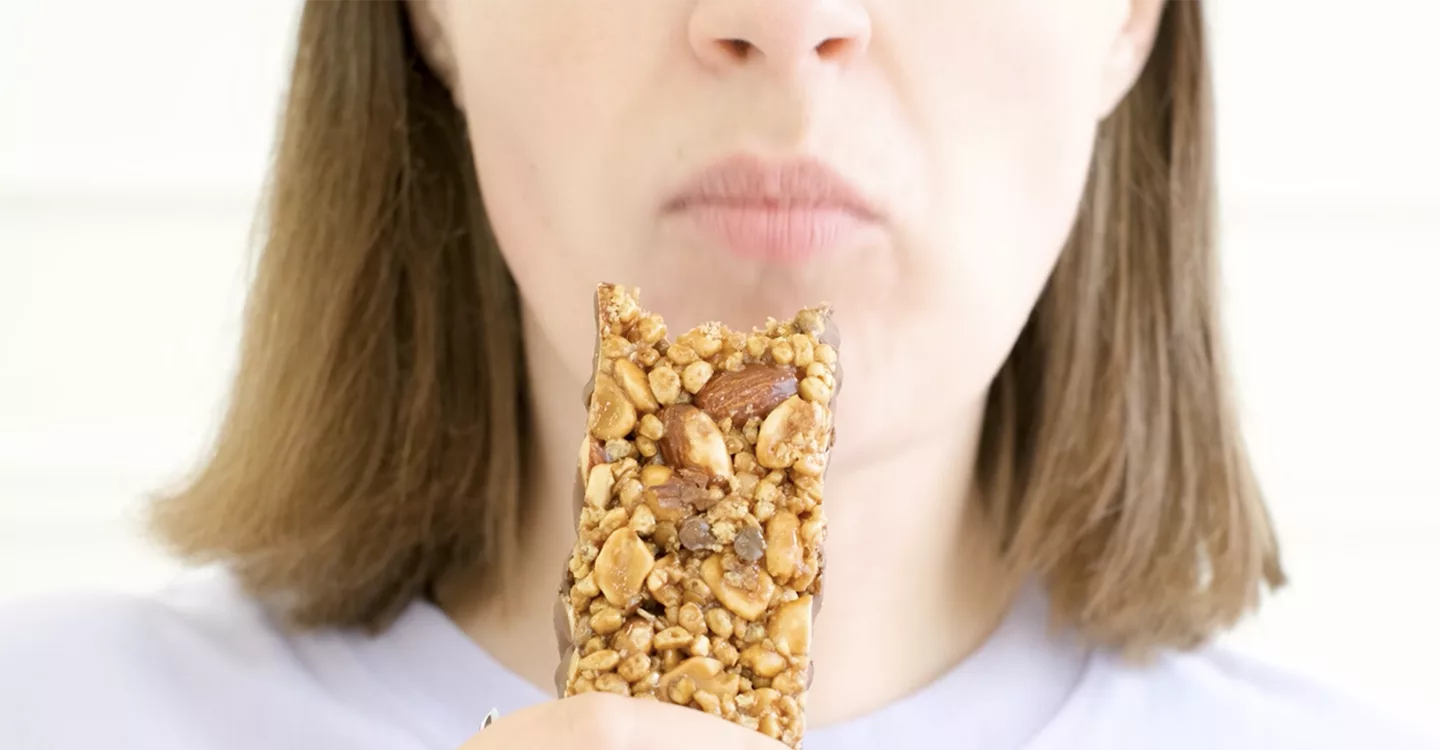
Understanding how protein interacts with ingredients, processing, and the human body ensures high-protein products deliver both nutrition and a great eating experience. iStock/Tatiana
Protein’s rise from a generic nutritional component to a performance aid to a daily sought-after bioactive performance ingredient reflects a shift in how consumers view nutrition. No longer is “extra protein” just for athletes and weekend warriors; protein is now in demand as a provider of satiety, strength, and smart eating for families, older adults, and wellness seekers.
With growing awareness of protein’s roles in energy, muscle maintenance, and appetite control, demand continues to expand, driven by both animal sources and emerging plant sources.
Sophisticated packaging and strategic positioning have pushed “high-protein” claims into nearly every food aisle. Diets such as Atkins, Paleo, and Keto have reinforced the public’s understanding of protein’s role in satiety and weight management. Over the past decade, the number of protein-based products has quadrupled, with annual growth holding steady at around 8%, according to Grand View Research, making protein a cornerstone of modern nutrition.
Case Studies and Innovation Highlights
These products reflect consumer demand for better-tasting, digestible, and functional protein options that fit a variety of lifestyles.
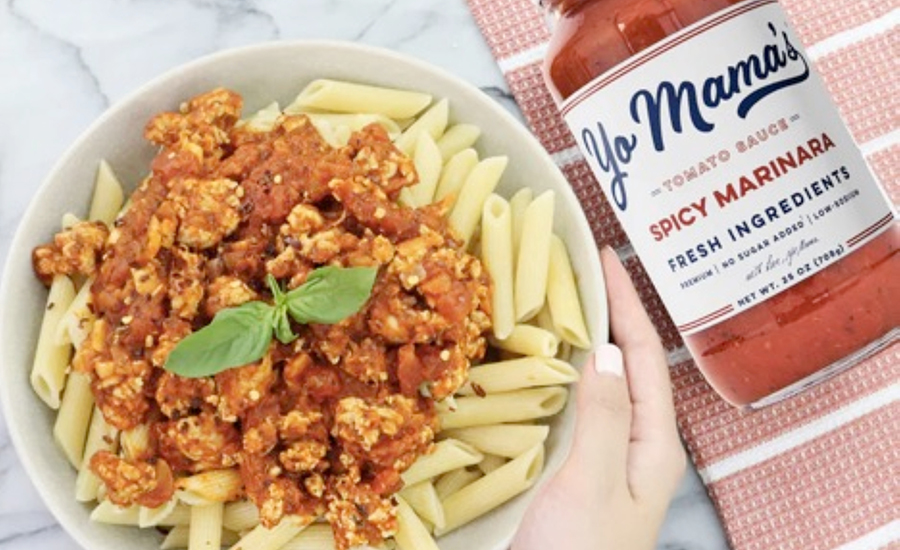
- Yo’ Mama Foods, LLC’s high-protein pasta uses alubia beans (aka white or cannellini beans) to deliver 18g of protein and 10.5g of fiber per serving in gluten-free penne, fusilli, and elbows.
- Fermented microbial protein from carbon dioxide, hydrogen, and minerals offers a sustainable, complete protein source, delivering all essential amino acids plus iron and B12—without cholesterol or saturated fat.
- Chobani, LLC’s high protein line includes Greek yogurt cups and drinks with up to 30g of complete protein. A survey found 85% of American consumers want more protein, but many don’t understand protein quality or how to identify complete sources.
- David Protein, LLC bars offer 28g of protein and a Protein Digestibility-Corrected Amino Acid Score (PDCAAS) of 1.0 in 150 calories—marketed for macro tracking and muscle building. Critics note artificial taste, stickiness, and digestive complaints, but the bars meet a need for efficient protein delivery.
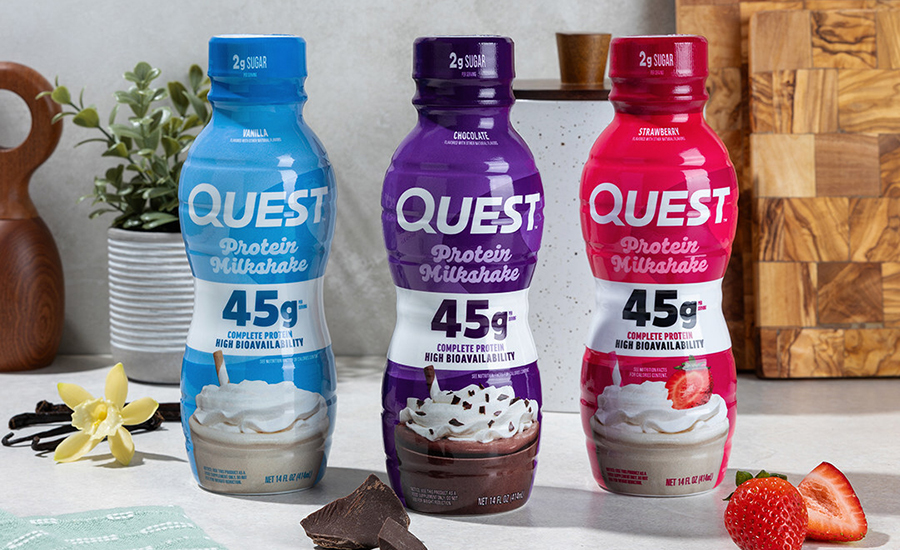
- Quest Nutrition, LLC’s ultra-high protein milkshakes pack 45g of protein, with low sugar and carbs. The formulation blends indulgence with functionality.
- DAS Labs LLC’s Bucked Up brand of protein soda delivers 25g of whey isolate in a clear, carbonated format with zero sugar or fat, avoiding the heaviness and chalkiness typical of protein drinks.

Protein by the Numbers
The global protein alternatives market is valued at USD15.7 billion in 2024 and is expected to expand at a CAGR of 9.9%, reaching USD25.2 billion by 2029. This market has witnessed significant growth and diversification, fueled by increasing consumer preference for sustainable, health-conscious, and ethically produced food options.
by MarketsandMarkets, Inc.
How Much Is Too Much?
For the average adult, the Recommended Dietary Allowance (RDA) is 0.8g/kg (0.36g/lb.) of body weight—about 60g daily for someone weighing 75kg (165lb.). However, needs vary with age, activity, and life stage.
The RDA (0.8 g/kg) is designed to prevent deficiency—not support active or aging lifestyles. The International Society of Sports Nutrition recommends 1.4–2.0g/kg for physically active individuals—an important benchmark for developers.
Protein supports muscle repair, satiety, energy expenditure, and blood sugar control. It is especially valuable for athletes, aging adults, and those in calorie deficits. But most Americans already consume more than the RDA, raising concerns about overconsumption, kidney strain (in vulnerable individuals), and displacement of other essential nutrients.
Developers must balance the promise of protein with the need for whole-food, minimally processed, and sustainable choices. “High-protein” shouldn’t be a marketing excuse for products high in sugar or fat.
Rather than focusing solely on numbers, current guidelines encourage choosing healthier, protein-rich foods. For those consumers over age 50, increasing intake to 0.9g/lb. can help preserve muscle mass. Higher protein intake also supports muscle repair and growth after exercise.
Some research suggests high-protein diets could support weight loss and reduce weight regain, although protein type and physical activity are important variables. A 2022 study published in Alzheimer's & Dementia reported a 26% lower dementia risk when 5% of carb calories were replaced with plant protein.
While up to 0.9g/lb.--around 150g daily for a 165lb individual--is generally safe, excess protein can lead to dietary imbalances, weight gain, or complications for individuals with kidney conditions. Balance remains key.
Key Trends in High-Protein Foods:
- Animal proteins: Despite challenges, beef sales rose 7.9% (Nielsen, Jan 2025), with strong demand for eggs, lamb, and seafood.
- Protein-enriched staples: High-protein pasta, cereals, and bread drive a $66.8B market, growing at 6.2% CAGR (Mintel, 2024-2030).
- Protein-packed snacks: Bars, chips, jerky, and cookies cater to on-the-go consumers.
- Functional beverages: Protein-infused coffee, smoothies, and drinks offer convenient nutrition.
- Plant-based growth: Pea, soy, and algae proteins continue gaining mainstream market share.
Source Matters
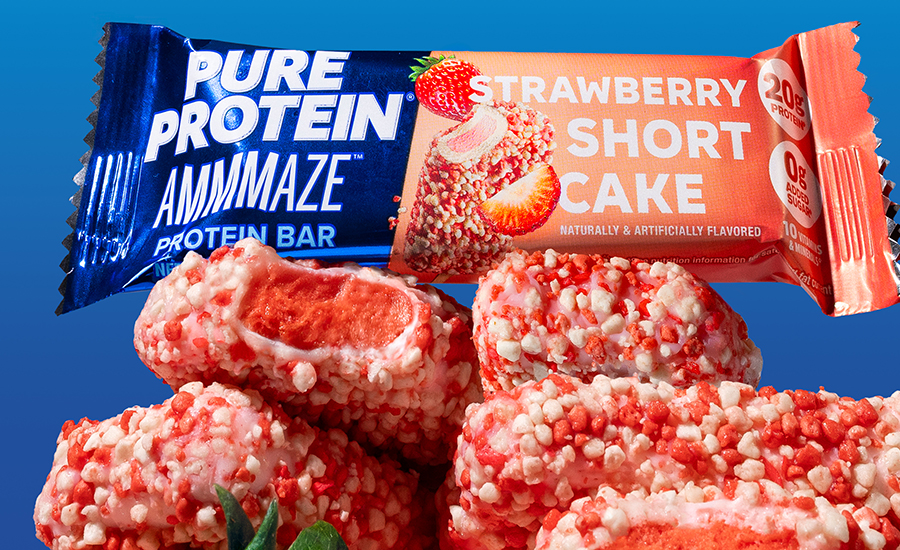
Plant proteins often introduce texture and flavor challenges. Success lies in blending proteins from other sources to minimize negatives, including plant sources such as pulses, chia, pea, potatoes, hemp, and even animal-derived protein such as from dairy or egg. On the texture side, whey can improve tenderness and aeration in cakes and breads. Fats and inclusions like nuts or seeds help offset toughening in high-protein bars during storage.
Proper analytics are essential. Protein fortification affects crumb, color, crust, porosity, and elasticity. Blending animal and plant proteins can help restore dough strength and improve end-product quality. Plus, analytical tools can guide developers in managing water needs, mixing times, and optimal inclusion levels.
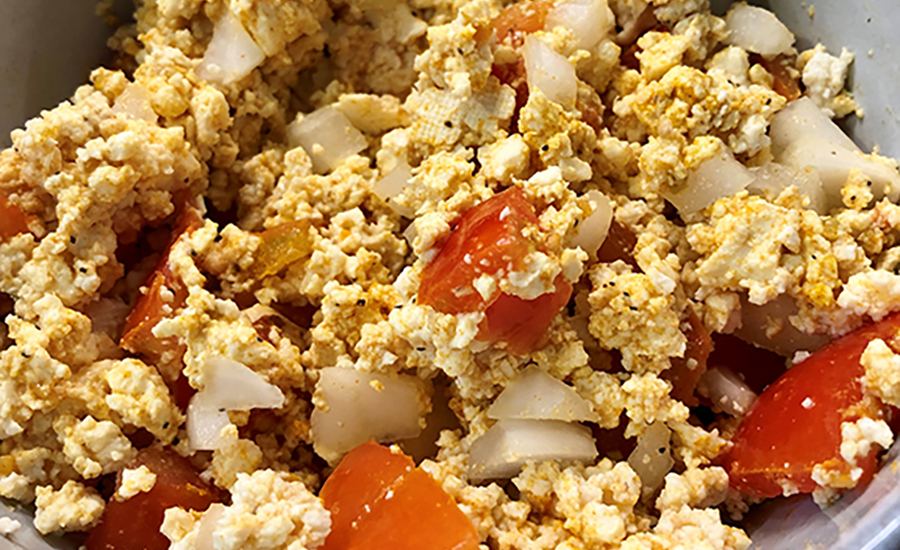
Flavor is one of the biggest challenges in protein-rich formulations. Each protein source brings unique sensory notes. Soy and pea proteins often carry “beany,” “earthy,” or “bitter” flavors that intensify at higher concentrations.
To manage off notes, developers can use sweeteners or other flavor modulators. Natural masking is especially difficult and expensive, often requiring multiple rounds of optimization. The aim is to enhance protein content while keeping the product palatable—a delicate balancing act.
Dairy proteins like whey and milk are typically preferred for their neutral profiles, though hydrolyzed versions may taste slightly bitter. Collagen peptides are nearly flavorless, making them ideal for fortification.
Formulation and Processing
High-protein formulations behave differently than traditional ones. Replacing flour with protein can dilute gluten, weakening structures and necessitating additives. Proteins also compete for water, potentially altering pH, flavor, and the behavior of other ingredients.
Proteins also speed up Maillard browning, often darkening products faster than expected. This can lead to flavor degradation, altered texture, and/or uneven appearance. Emulsification can become unpredictable, too, as proteins alter fat distribution and batter stability.
Protein-rich doughs also can strain processing equipment. Stickiness or increased density potentially complicate extrusion, mixing, and shaping. Developers must make formulation changes across the board, adjusting moisture, temperature, and ingredient interactions in order to ensure both quality and processability.
Every added protein requires adjustments to leavening agents, bake times, and mixing speeds. Functional aids such as enzymes, emulsifiers, and hydrocolloids can help. For example, proteases in cookies can counteract toughness and improve spread.
For Product Developers
Protein fortification is about more than meeting a number when it comes to developing high-protein foods and beverages. Flavor, texture, shelf life, and processing are all affected. This is especially the case for baked goods and snacks. Higher protein levels increase water absorption, risking dry textures or stickiness in doughs. Proteins also impact dough elasticity, reduce volume in baked goods, and increase density in puffed snacks. But the more protein that’s added, the greater the need for trade-offs and reformulation.
Quality over Quantity
Complete proteins (whey, egg, milk, meat) provide all nine essential amino acids and support muscle growth. While soy is technically complete, it may offer lower anabolic benefits. Still, with resistance training, soy, whey, and meat proteins yield similar results. Incomplete plant proteins can be strategically blended for completeness.
Some products highlight branch-chain amino acids (BCAAs) such as leucine, which stimulate muscle synthesis, but these do not replace the need for complete proteins. Whey, for example, naturally contains BCAAs. While short-term studies show no significant muscle gain differences between protein types, whey can help stimulate satellite cells for long-term growth.
Protein isolates and hydrolysates offer better digestibility than concentrates, however their impact on muscle growth is limited. Their advantage lies in providing developers with greater flexibility to prioritize flavor, solubility, cost, and sustainability.
As demand for protein-enriched foods rises—driven by an aging population and fitness-focused consumers—developers have a valuable opportunity to support muscle health at every life stage. Prioritizing complete proteins and blending plant sources for complementary amino acid profiles will be key.
Key Takeaways for Product Developers
By understanding the science behind protein function—and translating it into strategic product development—brands can better support consumers’ health goals while staying competitive in the booming protein marketplace.
- Aim for 1.4–2.0 g protein/kg body weight/day for consumers focused on muscle health.
- Prioritize complete proteins in formulations; whey remains the gold standard.
- Branched-chain amino acids (BCAAs) can support muscle building but should not replace whole protein sources.
- Plant proteins are viable—especially when blended to improve amino acid profiles.
- Protein format (concentrate, isolate, hydrolysate) has little effect on muscle gains; focus on consumer preference and product performance.
Looking for a reprint of this article?
From high-res PDFs to custom plaques, order your copy today!


