Protein’s Power in Healthy Aging: Beyond Muscle to Mind, Skin and Vitality
From collagen to plant blends, emerging bioactives to precision fermentation, science-driven protein innovation is helping older adults stay stronger, sharper, and more resilient

Aging well isn’t just about living longer but living better. Protein plays a central role in this effort with its anti-aging, health-support, and beauty-extending properties. Beyond its reputation as a muscle builder, protein also maintains skin elasticity, joints and immune defences. Protein also is vital for lung function and cognitive health. Moreover, dietary protein is needed to create the basic components of the enzymes that catalyse every cellular function in the body. Targeted use of protein and its fractions offers a strategic way to support vitality and longevity through diet.
Maintaining adequate protein intake is essential to address sarcopeniaꟷthe progressive loss of muscle mass and function that threatens healthy aging. Age-related declines in tissue repair, alongside changes in immune function, all increase protein requirements. Adequate intake of high-quality protein can help older adults preserve muscle, support mobility, strengthen immune defences, and improve recovery from both activity and illness.
Older adults, those aged 45 and older, are recommended to consume between 1.0 to 1.5g protein per kilogram of body weight each day just to maintain muscle mass and function. For a 70kg (154lb.) person, this equates to 70–105g/day. Consuming around 25–30g of high-quality protein per meal optimally stimulates muscle protein synthesis. Protein-fortified foods can help older adults confidently meet their protein requirements, helping with tissue repair, immune resilience, and overall well-being—core priorities for older consumers who want to stay active and independent.
Protein Alphabet
Amino acids, branched-chain amino acids (BCAAs; leucine, isoleucine, and valine), and collagen peptides could be called the “ABCs of protein” when it comes to nutritional support. Targeted amino acids—including the aforementioned BCAAs—play an important role in energy production, blood sugar stability, mood balance, and muscle recovery. Leucine, especially, is crucial for stimulating muscle protein synthesis and has demonstrated benefits in older populations. Fermented amino-acid blends offer highly absorbable mixes providing cognitive and muscle benefits.
Collagen is widely recognized for its role in supporting skin elasticity, joint mobility, and nail and hair strength. As we age, natural collagen production declines, leading to visible signs of aging and joint stiffness. Collagen peptides supply the amino acids glycine, proline, and hydroxyproline, and all are key ingredients for building and stabilizing collagen in skin and connective tissues. Hydrolyzed collagen peptides, especially those derived from marine or bovine sources, are highly bioavailable.
Research highlights that supplementing with 2-15g of hydrolyzed collagen peptides per day is associated with improvements in joint health, skin elasticity, and bone mineral density. They are most often delivered in ready-to-drink (RTD) beauty beverages, powdered sachets, and convenient collagen “shots” designed to support skin and joint vitality from within.

Bioactive peptides and dietary nucleotides are emerging ingredients of interest for products targeting aging well. This is based on their role in gut health, cognitive function, and cellular repair. Milk-derived bioactive peptides such as lacto-tripeptides demonstrate benefits for cardiovascular health by acting as natural ACE inhibitors, promoting healthy blood pressure.
Egg yolk-derived peptides, and yeast-extracted nucleotides have been associated with immune resilience and neuroprotective benefits, though more clinical data is still developing. These advanced actives are well-suited to functional powders, synbiotic elixirs, and sophisticated anti-aging beverages aimed at performance and brain health.
Plant-based Proteins
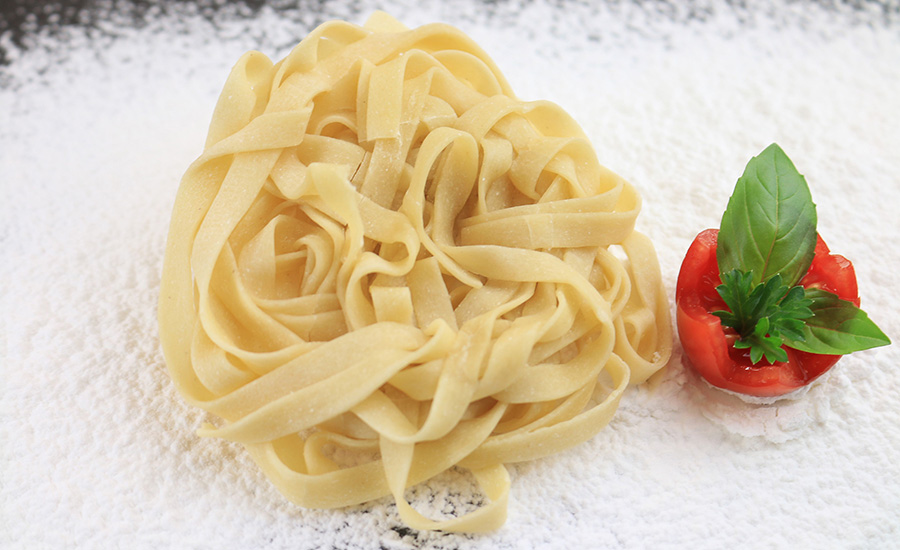
Plant proteins—such as from pea, rice, chia, chickpea, hemp, soy, and others—are increasingly popular among aging consumers seeking allergen-friendly, sustainable sources of protein. While individual plant proteins often lack sufficient amounts in one or more essential amino acids, by blending sources like pea, rice, hemp, and fermented soy product makers can deliver a complete profile to support muscle maintenance and heart health. Sprouted forms can offer enhanced digestibility. These proteins integrate seamlessly into soups, vegan smoothies, and plant-based snack bars tailored to the growing market of flexitarian and vegetarian consumers.
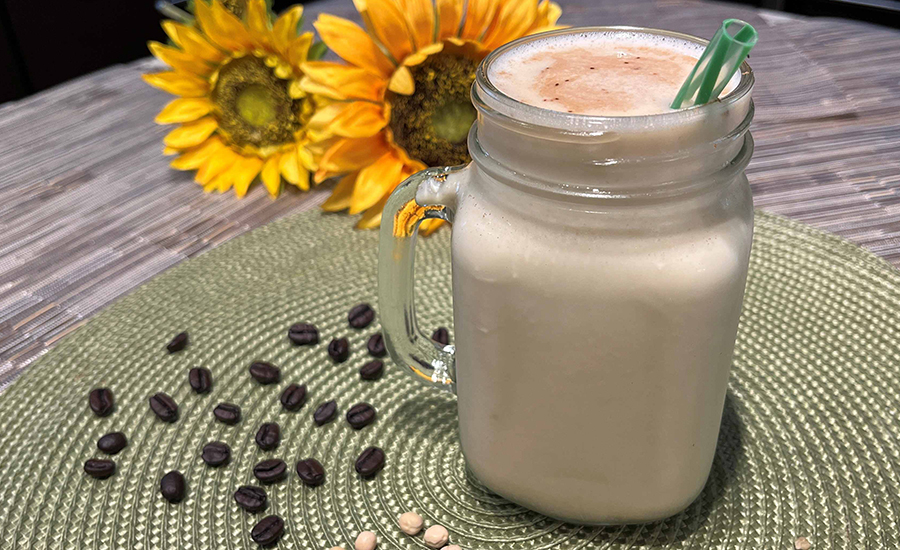
Some older adults prefer easy-to-swallow, convenient options that fit into their daily routines. RTD beverages remain one of the most effective delivery vehicles for proteins such as collagen, whey, or essential amino acids. Functional coffees and teas also are increasingly being used to deliver collagen and nöotropic peptides in conjunction with familiar, daily rituals.
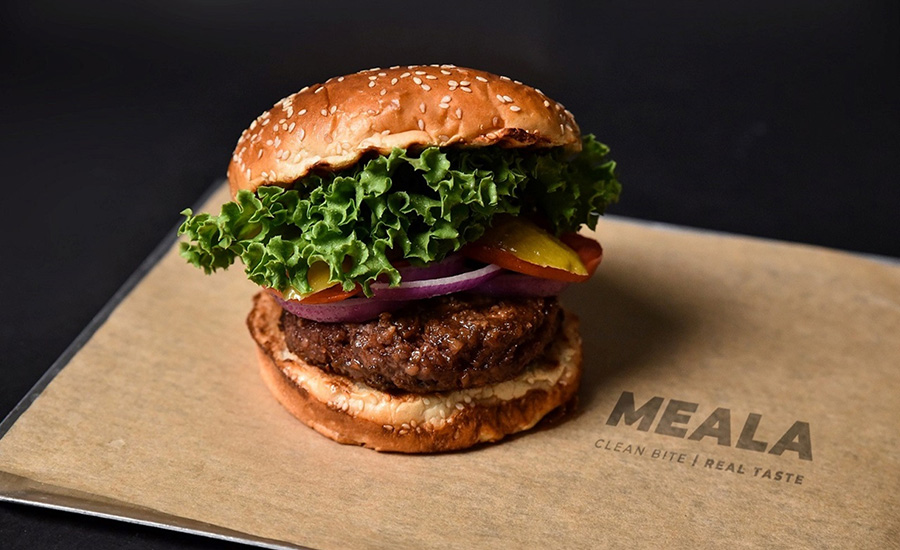
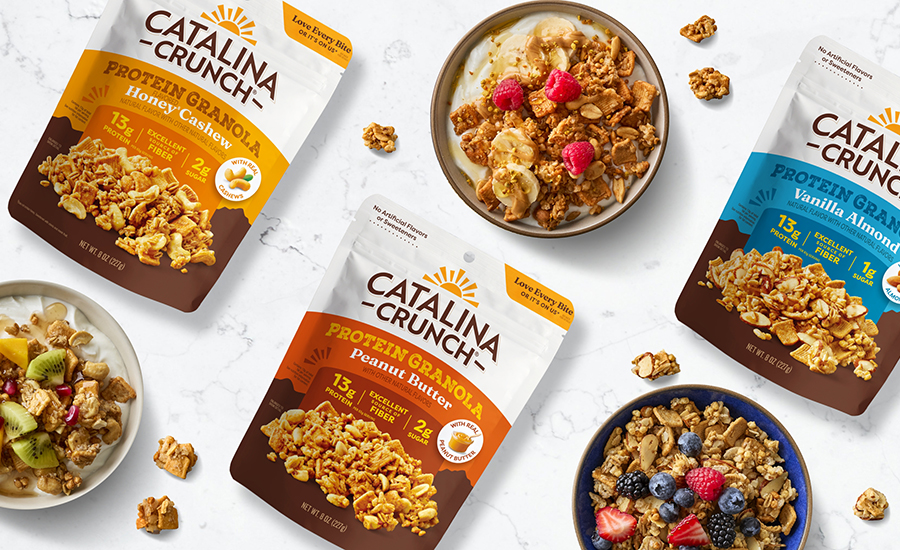
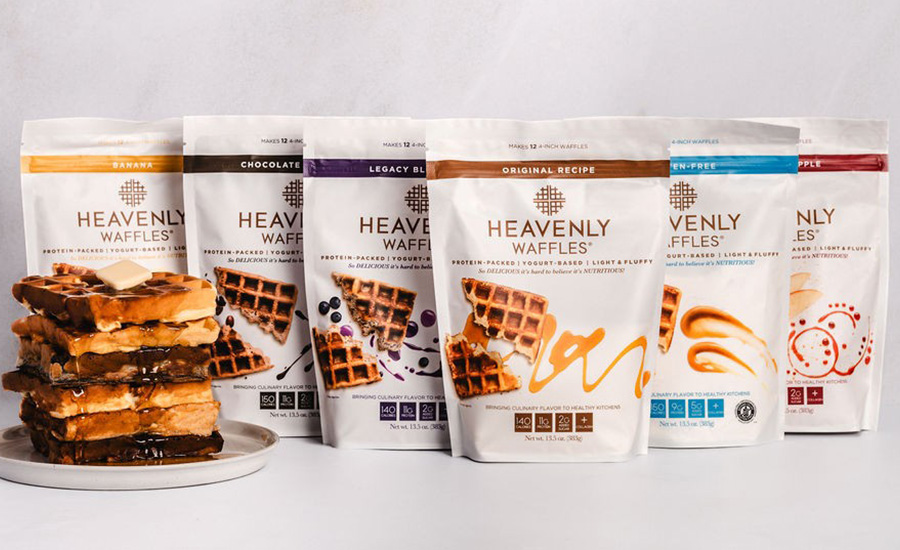
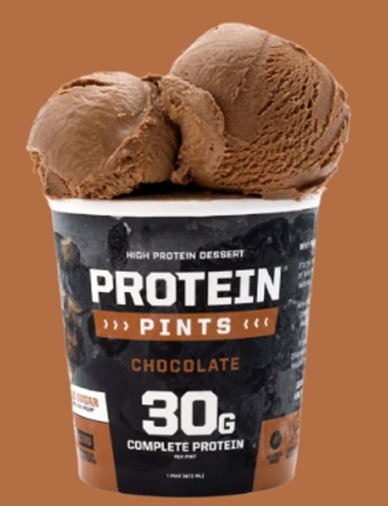
High-protein snacks, such as yogurts, bars, and emerging lines of protein-enhanced savory snacks such as popcorn are other products that can help consumers meet protein intake goals between meals. Concentrated shots and elixirs offer targeted benefits in small, easy-to-consume formats, while protein-enriched soups are ideal for combining comfort, satiety, and functional plant protein in one meal. All these versatile formats help support daily protein needs while delivering enjoyable, accessible nutrition for healthy aging.
Emerging Trends, Opportunities
As the healthy aging market expands, developers can move beyond traditional protein fortification by combining proteins with emerging bioactive protein fractions, such as precision-fermented peptides and nucleotides. Precision fermentation uses carefully programmed microorganisms to produce specific proteins or peptides in a controlled environment. This emerging technology builds on the strengths of traditional fermentation by enabling the targeted production of bioactive peptides with enhanced consistency and functionality.
Currently used in some dairy-free ice creams and cheeses, precision fermented dairy proteins enjoy future potential opportunities. These ingredients can be seamlessly included in snack bars, powders, and baked goods, as well as beverages and yogurts. Research suggests 2 to 5 grams of bioactive peptides per day may offer health benefits such as blood pressure regulation and immune support.
Nucleotides have been successfully used for decades in infant formulas and clinical nutrition supplements, thanks to their ability to support gut health, immune function, and tissue repair. Despite this, their presence in mainstream prepared foods remains minimal, limited by higher production costs, regulatory hurdles, and low consumer familiarity.
Nucleotides such as guanosine monophosphate (GMP) and adenosine monophosphate (AMP) not only support gut and immune health but also enhance umami flavor—making them ideal for inclusion in savory broths and soups. As the healthy aging market grows, incorporating nucleotides into prepared foods can allow for products that can suggest restorative and digestive benefits for older adults.
Protein is a foundational anti-aging, wellness and beauty extension ingredient. Whether supporting muscle, skin, immune function, or gut health, or bones, brain, and metabolic functions its forms and fractions offer a comprehensive range of benefits. For food and beverage developers, the challenge is no longer how to add protein, but in which form to provide and for what benefit. By aligning strong evidence with practical, appetizing formulations, prepared foods and drinks can help consumers age well, supporting not just years of life, but optimal life in those years.
Looking for a reprint of this article?
From high-res PDFs to custom plaques, order your copy today!


