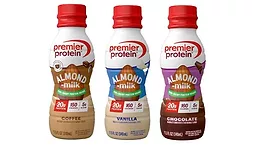
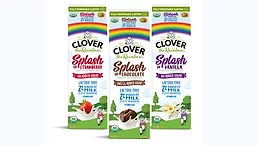
As the plant-based category continues an explosive growth trajectory, the number of ingredients commonly used in plant-based formulations has multiplied and diversified. Product developers apply innovative techniques to balance ingredients in formulations, and have generated a staggering amount of product introductions to the space. However, the nuanced use of specialized ingredients places further demand on R&D professionals to maintain awareness of discoveries in ingredient technology.
Of seven plant-based dairy categories, only plant-based creamers posted annual dollar and unit sales gains in 2023, according to SPINS data customized for the Good Food Institute (GFI) and Plant Based Foods Association (PBFA).
Explore the most impactful stories and emerging trends that are influencing product development and consumer preferences in the food and beverage sector
At Prepared Foods, we rely on you, our audience, for the direction of our editorial content. If you want news or new product and trend information, we'll cover it. If your current needs require more technical data regarding food science and ingredient formulation, we'll make certain to make those issues part of our coverage.
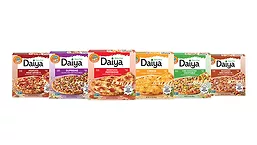
The refreshed products boast a lighter, fluffier, and crispier gluten-free crust, with enhanced rich tomato sauce and now paired with Daiya's reformulated cheese made with Daiya Oat Cream blend.
"By growing Truly Grass Fed into a new retail category, we are able to reach new customers who are looking to include plant-based products in their diet, need non-dairy alternatives or just want to enjoy the delicious taste of our pure, creamy oat milk,” said Jaclyn Crabbe, marketing director for Truly Grass Fed.
The beauty of Innova’s annual Top 10 Trends of the food and beverage industry is that the trends apply across all market categories—including dairy products and dairy alternatives. Dairy and dairy alternatives overlap in many ways, differ in others, and our Top 10 Trends can be interpreted across both.
Negative farm-level margins in mid-2023, along with some adverse weather, pulled US milk production below year-ago levels and dairy farmers have been reducing the size of their herds. US milk production in 2024 is expected to increase 0.8%, with most of the growth coming in the second half.