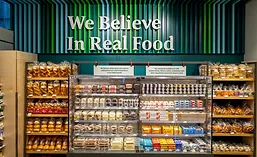
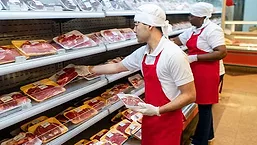
Whole Foods Market plans to expand its smaller-format Daily Shop concept into Boston, Chicago and Philadelphia over the next two years. The streamlined stores are designed to offer curated assortments, grab-and-go options and faster shopping experiences tailored to dense urban neighborhoods.
New analysis from L.E.K. Consulting suggests the US may have reached “peak calorie,” with total food and beverage consumption expected to remain largely flat over the next decade. As volume tailwinds fade, future growth will depend on innovation, pricing discipline and operational excellence rather than increased consumption.
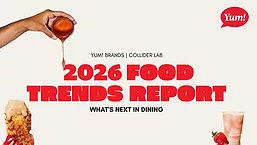
Yum! Brands and Collider Lab have released their inaugural 2026 Food Trends Report, drawing on insights from more than 62,000 restaurants worldwide. The findings show consumers increasingly using food as a form of self-expression, control, and emotional connection in a fast-changing world.
After two decades across global markets, the author outlines a simple but powerful framework—Consumer, Business, Technology—that keeps innovation grounded in human needs while driving measurable growth. Examples from Pringles, Cheez-It and sustainable packaging show how cross-functional collaboration turns this model into real-world impact.
The Consumer Brands Association introduces Transparency Week, new digital tools and a nationwide ad campaign to highlight industry efforts around safety, clarity and informed decision-making
A new industry campaign spotlights the CPG sector’s push for clearer labels, accessible information and stronger consumer confidence. With initiatives like SmartLabel, Facts Up Front and TruthAboutIngredients.org, brands aim to meet rising expectations for transparency in 2026 and beyond.
San Francisco has filed a lawsuit against leading food manufacturers, alleging deceptive practices and public health harms tied to ultra-processed foods. The action signals increased attention to processing methods and ingredient strategies that may influence future expectations for product developers.
Nature Food review examines six decades of evidence, showing how work requirements, benefit levels and administrative burdens shape food security and household well-being
A new peer-reviewed review in Nature Food analyzes how historic and recent SNAP policy changes influence participation, employment and food insecurity. As the 2025 OBBBA brings sweeping reforms, the authors outline evidence-based recommendations to improve benefits, streamline enrollment and support healthier diets.
From M&A and rebrands to research insights and facility expansion, companies are repositioning to meet changing demand, emerging trends and industry pressure
Strategic moves across the food and beverage sector—from testing and dairy-free innovation to new leadership, market research and manufacturing scale-ups—signal where growth is headed next. Developers, retailers and suppliers now face a market reshaped by wellness trends, shifting consumer trust and rising expectations around functionality and speed.
The 2025 Unreasonable Food cohort brings together entrepreneurs tackling critical food system challenges. Backed by Mars and Unreasonable Group, the ventures aim to scale innovations that reduce emissions, advance nutrition, and build resilience.
New data reveals Americans trust the safety of the foods they buy more than the overall food system, highlighting an urgent need for better communication
As consumer concern over food safety rises, IFIC’s latest surveys uncover a widening gap between personal confidence in purchased foods and trust in the US food supply. Experts say clearer messaging on ingredient safety and recalls could help rebuild trust.
 RSS
RSS