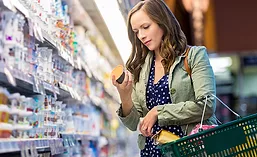
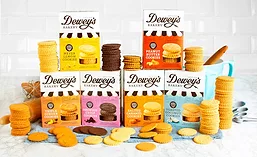
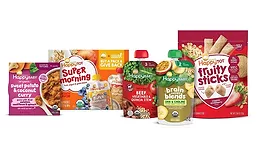
Replacing sugar is more complex than simply replacing sweetness. Sugar carries flavor, enhances mouthfeel, provides bulk, is essential for browning through the Maillard reaction with amino acids, and attracts and retains moisture. In cookies and biscuits, for example, sugar interfaces with flour and fat to affect texture, firmness and spread. Without sugar, products may not crystallize properly, aerate, or set.
David Feder, Executive Editor-Technical for Prepared Foods, interviews Allison Rittman, research chef and expert on the art and craft of creating organic foods and beverages.
Product launches with more than 30% fat content—such as high-fat dairy—are up, and butter sales have jumped, outpacing the growth of margarines and spreads by 360%.
Beverages that blur category lines are leading drink product launches as consumers continue to expect more functionality from the products they buy. Botanical ingredients are a key focus for consumers fulfilling this expectation.
Whole Foods Market offers a look at ingredients, products and trends set to make an impact in the coming year
October 26, 2022
Whole Foods Market’s Trends Council unveiled their top 10 anticipated food trends for 2023 in the retailer’s eighth-annual Trends predictions. Yaupon-infused beverages, produce packed pastas, repurposed pulp and climate-conscious callouts are among the food trends expected to rise in popularity in the next year.
New product introductions from beverages, snacks and candies address concerns from consumers attempting to manage sugar consumption
October 19, 2022
According to the American Heart Association, the average American consumes more than three times the recommended amount of sugar. The number for kids is even worse, as they are consuming 81g per day, equaling over 65 pounds of added sugar per year. American children are ingesting over 30 gallons of added sugars from beverages alone.
 RSS
RSS