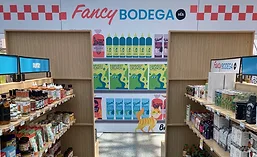
Protein expanded into unexpected categories while sensory appeal and functional benefits continued to influence new product development. Here's what food and beverage product developers should take away from this year's Summer Fancy Food Show.
Consumers increasingly expect snacks to balance indulgence, wellness, convenience and value without compromising on taste. ADM's latest research examines the trends influencing snack innovation, including Gen Z preferences, reformulation, GLP-1 users and emerging opportunities for product developers.
Ultra-processed foods have become one of the most debated topics in the food industry, with regulators, consumers and manufacturers weighing their implications. As a federal definition takes shape, companies are evaluating how potential labeling requirements could affect formulation, nutrition messaging and consumer perception.
Imbibe’s 2027 Flavor Forecast identifies seven flavor territories expected to influence the next generation of beverage innovation, from dark fruits and modern tropicals to swicy flavor combinations. The report also explores how flavor is increasingly serving as a communication tool, helping consumers connect taste cues with product benefits.
With no universally accepted definition of ultra-processed foods, industry stakeholders face growing consumer pressure, regulatory uncertainty and questions about processing.
The campaign against ultra-processed foods continues to gain momentum, but the term itself remains scientifically and legally undefined. As regulators consider formal definitions and consumers grow increasingly wary of processing, food manufacturers must navigate a complex landscape where perception, nutrition science and policy do not always align.
A new survey from the International Food Information Council found that consumers are actively engaging with nutrition information and prefer front-of-package labels that provide a balanced view of food and beverage products. The findings come as policymakers continue evaluating front-of-package labeling approaches and suggest shoppers want information about both nutrients to limit and nutrients to encourage when making purchasing decisions.
Internationally accomplished chef Professor Hinnerk Von Bargen, of the Culinary Institute of America in San Antonio, shares his unique perspectives on the UPF controversy.
In an insightful interview at the Culinary Institute of America, Chef Hinnerk Von Bargen challenges the negative perception of "ultra-processed foods." He highlights the importance of multi-step processing through examples like sourdough and tofu, emphasizing that these practices enrich our culinary culture and nutrition.
As keynote speaker at NJ FoodTech 2026, BlueNalu Founder, President & CEO Lou Cooperhouse will explore how food companies can build durable value propositions in an increasingly competitive marketplace. In an interview with Prepared Foods, Cooperhouse said today's investors prioritize operational discipline, scalability and profitability, while long-term success depends on treating the company—not just the product—as the value proposition.
Circana’s 2025 New Product Pacesetters report found the year’s top food, beverage and nonfood CPG launches generated a combined $6.2 billion in first-year sales. The research points to experience-led innovation, AI-driven discovery and social commerce as key forces shaping how consumers find and engage with new products.
Circana’s expanded Purchase to Consumption solution connects receipt-level purchase data with consumption behaviors from the same consumers, offering deeper visibility into food and beverage occasions. Early findings reveal opportunities for retailers and CPG brands to better capture at-home dinner spending and refine targeted growth strategies.
 RSS
RSS