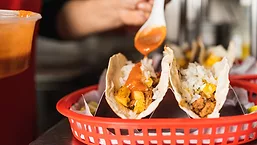
From taquitos and dumplings to protein-packed potatoes and indulgent vegetables, processors are leaning into shareable snacks and craveable comfort. Younger consumers and families are turning to frozen for global flavor, value and game-day-ready convenience.
The latest outlook points to flat volumes and cautious shoppers, yet adaptability continues to shape eating patterns and innovation. From bold flavors to store brand gains, brands that balance value and differentiation are positioned to win in 2026.
Plant-based products mature beyond analogs, jerky turns crispy and frozen moves further into premium territory. Across center store and sweets, brands pushed format, function and sensory intensity to capture what’s next.
A new IFIC Spotlight Survey shows that while interest in fiber is high, most Americans still fall short on intake and remain confused about where fiber comes from. The findings highlight an opportunity for clearer communication, better product cues and practical guidance as fiber gains renewed attention in wellness culture.
Datassential’s latest sauces, condiments and dressings report shows growing consumer demand for signature flavors that create emotional connection and repeat visits. With fewer than half of operators offering a signature sauce, the category presents a major opportunity for menu differentiation and retail crossover.
Consumers are redefining wellness to include physical, mental and functional benefits, with expectations varying sharply by generation. For product developers, the data underscores the need for targeted solutions that balance health, convenience and occasion-based indulgence.
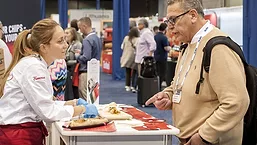
The private label trade show highlights how rising supplier capabilities are reshaping competition, innovation and speed to market for food and beverage brands
PLMA’s North American show made one thing clear: it’s never been easier to launch a “good enough” product. As private label and fast followers close the gap, branded players face new pressures—and new opportunities—heading into 2026.
New analysis from L.E.K. Consulting suggests the US may have reached “peak calorie,” with total food and beverage consumption expected to remain largely flat over the next decade. As volume tailwinds fade, future growth will depend on innovation, pricing discipline and operational excellence rather than increased consumption.
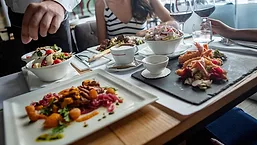
GLP-1 drugs like Ozempic and Wegovy aren’t keeping consumers out of restaurants—but they are changing what and how much they order. Smaller portions, protein-forward menus and flexible formats are emerging as key strategies in a new era of eating less.
Circana finds medication users driving long-term shifts toward protein-forward, health-focused purchases across retail and foodservice
January 13, 2026
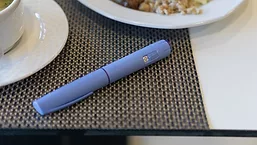
GLP-1 medications are influencing far more than weight loss, with users projected to account for 35% of all food and beverage units sold by 2030. New Circana data shows lasting changes in how, where and why consumers shop, creating urgency for retailers and manufacturers to adapt.