Formulators Embrace New Sugar Reduction Strategies
Innova Market Insights' annual consumer trend surveys demonstrate growing consciousness among US consumers to limit sugar intake
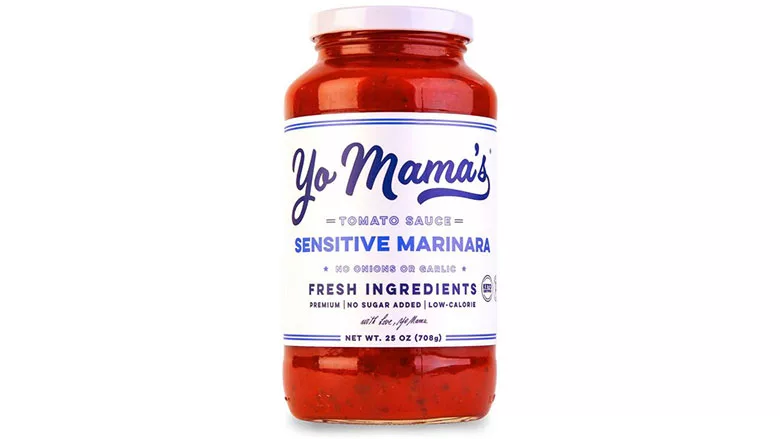
Sugar in Savory. More savory sauces are addressing sugar content. Yo Mama's Sensitive Marinara Sauce is formulated for those on low-FODMAP diets or sensitive to alliums. It’s low-sodium, preservative-free, Paleo-friendly, low-glycemic, and without added sugar.
PHOTO COURTESY OF: Yo Mama’s Foods
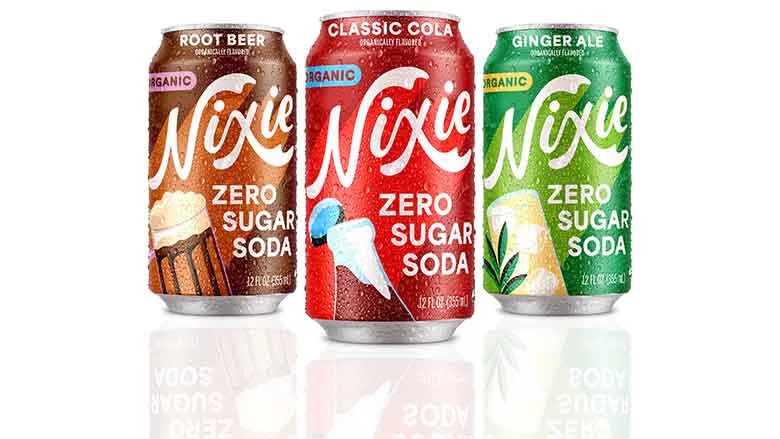
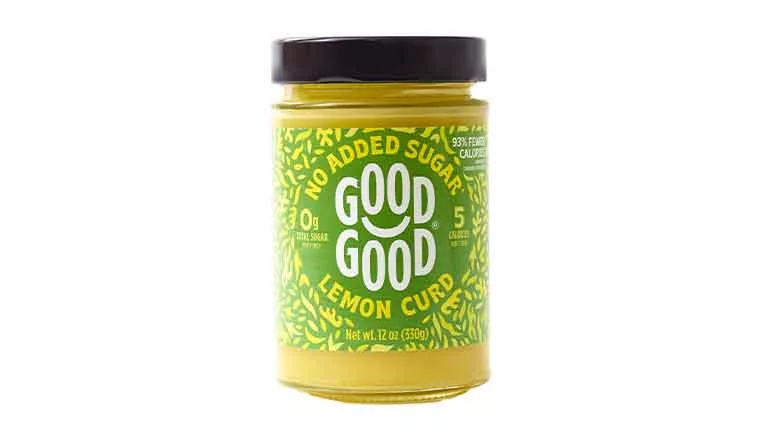
Spread the News! More spreads addressing sugar content. Iceland’s GOOD GOOD hf continues expanding in the US with naturally sweetened jams, jellies and spreads. Its latest No Added Sugar Vegan Lemon Curd is sweetened with erythritol and stevia extract.
PHOTO COURTESY OF: GOOD GOOD
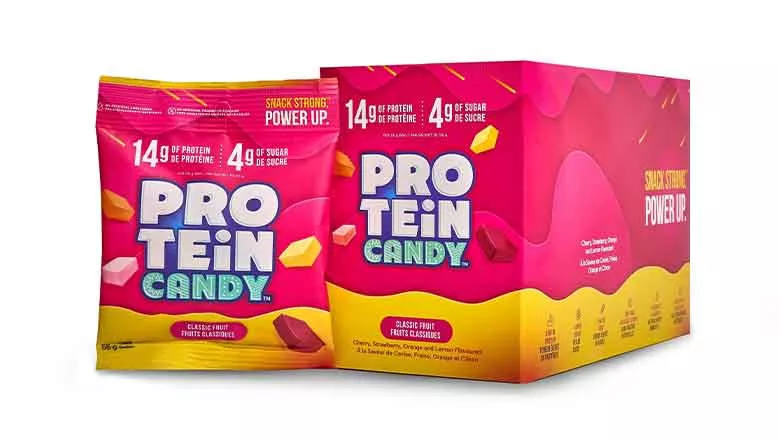
Sweet (Better for You) Snacking: More candies and confections offer better-for-you appeal. Canada’s Pro Candy Inc. says its new Protein Candy delivers 14g of protein, 4g of sugar, 6g of prebiotic fiber, and only 140 calories per serving. Protein Candy is naturally sweetened with monk fruit juice and stevia and made with natural flavors and colors.
PHOTO COURTESY OF: Pro Candy Inc.
In its comprehensive monitoring of consumer trends, Innova Market Insights finds a significant change in attitudes toward sugar, including a rise in interest in products with less sugar.
This is due in part to growing consumer awareness regarding the health impacts associated with a diet high in sugars. Excess sugar intake has been linked to numerous chronic diseases, including obesity, weight gain, diabetes, and heart disease. The relationship between sugar and dental health also is well-established. Popular keto and low-carb diets require consumers to severely limit sugar intake. Parents, in particular, are increasingly aware of the possible effects of sugar and are purchasing more sugar-restricted products for young children.
Governmental actions—including national guidance toward sugar limitations and state- and city-level sugar taxes—also highlight the important connections between health and sugar reduction. We see tremendous growth in sugar-related claims on food and beverage packaging that help direct consumers toward choices with less sugar. Possible standardization of front-of-pack claims will increase attention on sugar content.
Consumer Concerns
Innova’s annual consumer trend surveys demonstrate growing consciousness among US consumers to limit sugar intake. Not surprisingly, those consumers over age 55 have highest levels of awareness. More than half of all participants in a recent survey report actively reducing their sugar consumption. US consumers also try to limit or reduce purchases of high sugar ingredients. Interestingly, consumers are unwilling to give up indulgences and they also look for healthier versions of indulgent foods. It’s also curious to note that although consumers report they consciously limit sugar and artificial sweeteners, they are less concerned about to limit natural sweeteners such as maple syrup and honey.
Surveyed parents told us they actively restrict sugar in the diets of their children more than in their own diet. Parents appear to understand the importance of establishing healthy eating habits when young.
Innova sees modest but steady growth in the number of US food and beverage launches featuring sugar-related claims. These claims help guide consumers looking for products with less or no sugar. In recent years, "no added sugar" and "sugar-free" have stood out as leading sugar-related claims. "Sugar-free" claims are experiencing the most robust growth. "No added sugar" and “low sugar” claims also are gaining.
Sweetener Innovation
Successful sugar reduction relies on sweetener innovation that replicates the sensory aspects of sugar, along with its multidimensional functionality in foods and beverages. When we look at sweeteners, we divide them into four main categories: bulk sweeteners (also called sugar alcohols), artificial non-nutritive sweeteners, natural non-nutritive sweeteners, and sweet fibers.
Bulk sweeteners are well-established, especially in confectionery, and include sugar alcohols such as sorbitol and maltitol. Erythritol is a newer and increasingly popular bulk sweetener that is used in both beverages and indulgences such as ice cream. It offers a sugar-like taste with fewer calories and also is keto-friendly.
Artificial non-nutritive sweeteners include sucralose, aspartame, and acesulfame K. They are utilized for their intense sweetness and ability to blend well in various applications, especially beverages.
Natural non-nutritive sweeteners are extremely popular. The natural non-nutritive sweeteners stevia and monk fruit are gaining popularity for their zero calories, intense sweetness, and natural profile. Consumers associate "naturalness" with health. Stevia, monk fruit, and erythritol are popular choices due to their "natural" origins, providing a halo effect for labels and ingredient lists.
Emerging sweeteners like allulose and tagatose are rare sugars that can be produced through bio fermentation. They closely replicate the taste and functional properties of sugar, are considered to be natural, and have fewer calories. Manufacturers can use these sweeteners in place of sugar, adding small amounts of stevia or monk fruit to amplify the sweetness. The sweet proteins brazzein and thaumatin occur naturally in small amounts and are produced for commercial use by precision fermentation. They have zero calories, do not impact blood sugar, and deliver a sweetness that is somewhat different from that of sugar and other sweeteners.
Soluble fibers, such as chicory root fiber and resistant maltodextrin, contribute sweetness, bulk, and fiber to food products. The soluble fiber tapioca fiber is gaining share for its mild sweetness, functional benefits, and fiber content. Erythritol is popular in keto-friendly products, including ice cream, and can help bring down the net carb count in items.
Several ingredient manufacturers custom-produce “suites of sweeteners," combining several different sweeteners that are tailored to specific product applications and effectively replicate the sweetness and functional properties of sugar in that application.
Sweeteners in Key Categories
Sugar reduction and sugar-related claims are highly prevalent in the beverage sector. We see significant growth in zero-alcohol beverages, sports nutrition drinks, and soft drinks.
For starters, a new generation of sugar-free alternatives to popular soft drinks offer healthier beverage options. Beverages with no added sugar also are becoming part of the move toward healthier beverages. Sucralose and acesulfame k frequently are used together in established soft drink brands. Stevia and monk fruit extract offer natural alternatives. Beverages with sugar-related claims may carry additional health claims, for example, gluten-free, vegan, and non-GMO, to project a clean and healthy image.
Dairy alternative drinks also are a popular vehicle for sugar-related claims. Because they do not have the naturally-occurring lactose of dairy milks and beverages, they can be promoted as zero sugar.
Stevia and monk fruit or monk fruit extract are popular choices in sports drinks. They appeal to athletes looking for natural, functional beverages that support athletic performance. As with other beverages, sports drinks often bundle together other health and clean label claims.
Not surprisingly, sugar reduction is popular in indulgent categories—namely bakery, confectionery, desserts and ice creams, and fruit-based snacks. Consumers surveyed express lack of willingness to give up indulgences but they are willing to switch to healthier indulgent options. Launches in indulgent categories may be formulated to incorporate several clean and healthy adaptations; for example, a keto pancake mix that is no added sugar, high protein, and gluten free; or candy strips that are plant-based, sugar-reduced, sweetened with natural sweeteners, and free from artificial sweeteners, flavors or preservatives.
Different sweetener combinations are best suited to particular categories. In confectionery, erythritol, stevia, monk fruit extract, and allulose often are combined to provide sweetness and texture in sugar-free candy and chocolates. For bakery products, the sugar alcohols erythritol, glycerol, and maltitol help replace the bulk of sugar, while stevia and monk fruit extract provide sweetness as natural sweeteners.
Given the widespread appeal of sugar reduction, we are not surprised by expansion of sugar-related claims in savory categories such as ready meals and side dishes and sauces and seasonings. Recent launches include a spaghetti made from hearts of palm that has no added sugar and also is grain-free, gluten-free, vegan, and keto-friendly; a no-added sugar organic pasta sauce; an avocado lime non-GMO dipping sauce with zero sugar and no artificial sweeteners; and a plant-based, MSG-free, sugar-free seasoning blend.
Manufacturers also are expanding options for reduced sugar sweet spreads, including nut spreads, chocolate spreads, and fruit spreads. No-added sugar is the leading claim, with sweetener alternatives incorporating erythritol plus stevia for keto-friendly jam; acesulfame K and sucralose in a new pancake syrup; and dates and monk fruit in a new fruit-flavored nut butter.
Sugar Reduction Forecast
Sugar reduction is a significant trend shaping the US food and beverage landscape, driven by consumer demand, government regulations, and sweetener innovation. As consumers become increasingly health-conscious, we can see manufacturers respond and offer a wide range of sugar-reduced options. They’re utilizing a diverse array of sweeteners and ingredients and replicating the taste and functionality of sugar—without the added calories and potential health concerns.
Our analysis of consumer and product trends around sugar reduction suggests an ongoing evolution in sugar replacements. Similar to earlier efforts in sodium reduction, we expect manufacturers to gradually and quietly reduce sugar in products and not explicitly inform consumers. This can help retain customers who may not notice minor sweetness profile changes.
Research on the relationship between sweeteners and long-term health, including effects on the heart and gut, could elevate some sweeteners over others. Technological advances in precision fermentation will continue to expand the range of sweetener options, including commercially produced versions of naturally occurring sweeteners like preferred components of stevia and the proteins brazzein and thaumatin.
Key opportunities for manufacturers include tailoring sugar-related claims to the particular product category and using storytelling to communicate the benefits to consumers; leveraging beverage trends in plant-based, functional, and single-serve coffee drinks; and exploring opportunities to reduce or eliminate sugar in savory categories such as sauces, where use of seasonings can distract taste buds away from noticing reductions in sugar.
The future of food and beverage innovation in the US will continue to be shaped by growing demand for sugar reduction. Manufacturers who adapt to this dynamic landscape, embrace new ingredient technologies, and prioritize consumer education will be best positioned to meet the evolving needs of the market.
Looking for a reprint of this article?
From high-res PDFs to custom plaques, order your copy today!


