Trends | Healthy Beverages
Gut Health Moves Beyond Digestion
Prebiotic fibers, functional beverages and personalized nutrition are driving the next wave of gut health innovation for food and beverage developers.

Over the years, fiber and digestive health have had their moments in the spotlight—but not like today. Use of GLP-1 weight loss medications and renewed interest in nutrient density highlight the importance of fiber in a healthy diet. Industry innovation has shifted fiber ingredients away from bran-type fibers to soluble fiber ingredients that are easier to incorporate into a broader range of products. And consumers feel more comfortable openly discussing gut discomfort and their desire for better gut health.
What differentiates gut health from, say, bone health, is that consumers can see and feel gut health. They know when their gut isn’t functioning properly. Furthermore, a poorly functioning gut can make consumers anxious and cranky. Gut health is so essential that it is the No. 2 Innova Market Insights Top 10 Trend 2026. We named the trend “Gut Health Hub” to demonstrate how gut health is connected to other aspects of holistic health, including cognitive health, heart health, immunity, and stronger bones.
LTO Raspberry Sherbet flavor is part of OLIPOP’s 6g Fiber line. Blackberry Vanilla, one of OLIPOP’s most-requested LTO flavors, contains 5 grams of sugar and 9 grams of fiber. Image courtesy of Suja Life LLC
Fibermaxxing FTW
Gut health can be an easier sell to consumers because they recognize its relevance to both daily functioning and overall health. Innova trends research shows consumers:
- Believe gut health is important for the whole body and improves other aspects of health beyond digestion, including more energy and better skin
- Hope that products for gut health can help improve their sleep
- Still have concerns about boosting immunity post-pandemic, and many understand that the gut is a key player
Consumers on GLP-1 medications need a nutrient-dense diet, with plenty of fiber plus protein. “Fibermaxxing” is a prominent trend on social media that encourages consumers to maximize the amount of fiber in their diet.Overall, consumers want wellness solutions that leverage the impact of the gut microbiome on physical, mental, and emotional well-being.
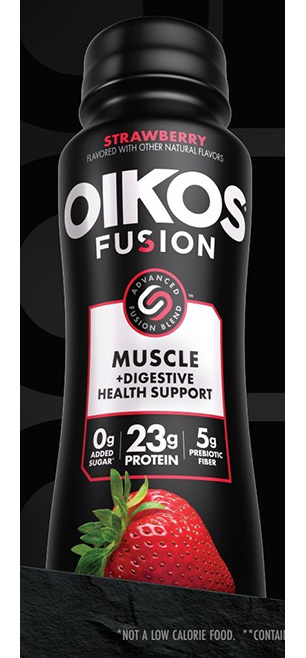
OIKOS FUSION delivers 23 grams of complete protein, 5 grams of prebiotic fiber, and vitamins D, B3, and B12. It’s also lactose-free with 0 grams of added sugar, available in Strawberry, Mixed Berry, and Vanilla. Image courtesy of Danone North America
Despite the essentiality of fiber to digestive and overall health, only a small percentage of U.S. consumers meet the World Health Organization recommendation of at least 25 grams per day. It is hard to discern whether current interest in fiber reflects consumer understanding of their fiber shortfall or trendiness of fiber and fibermaxxing.
We don’t see a lot of difference between generations in attitudes toward and action around gut health:
- Older consumers are slightly more aware of the importance of gut health
- Younger generations are the most receptive to guidance on diet and food and drinks with added nutrition for gut health
Gen Z and Millennials are most likely to use diet to manage gut health
Consumers are receptive toward conventional and fortified food and drink products for better gut health. Also, they report interest in two of the key tools for gut health: fiber and probiotics.
However, Innova consumer trends research shows only a relatively small proportion of consumers say they take action to improve their digestive health. This is somewhat surprising, given the high level of consumer knowledge regarding the holistic benefits of gut health, including weight management, energy, and better sleep. Also, many consumers notice improvements in other areas of the body when they improve their gut health. Because consumers do prioritize fiber as a key nutrient of interest, we suspect that they may not fully understand the relationship between gut health and fiber and fiber ingredients. This provides brands with the opportunity to help consumers connect the dots between fiber and gut health, enabling affordable and accessible gut health products with clear explanations of effectiveness.
Personalization is a growing trend. Consumers are looking for products geared toward their individual needs beyond gut health, such as:
- Sports performance
- Healthy aging
- Women’s health
Today’s consumer is more aware of the tangible results from various health actions, for example, GLP-1 drugs making a noticeable difference in hunger and fullness, food noise, cravings, and other aspects of diet management. Consumers can see and feel the impact of prebiotic fibers on their feelings of satiety and fullness, along with insulin responses for those who are monitoring them.
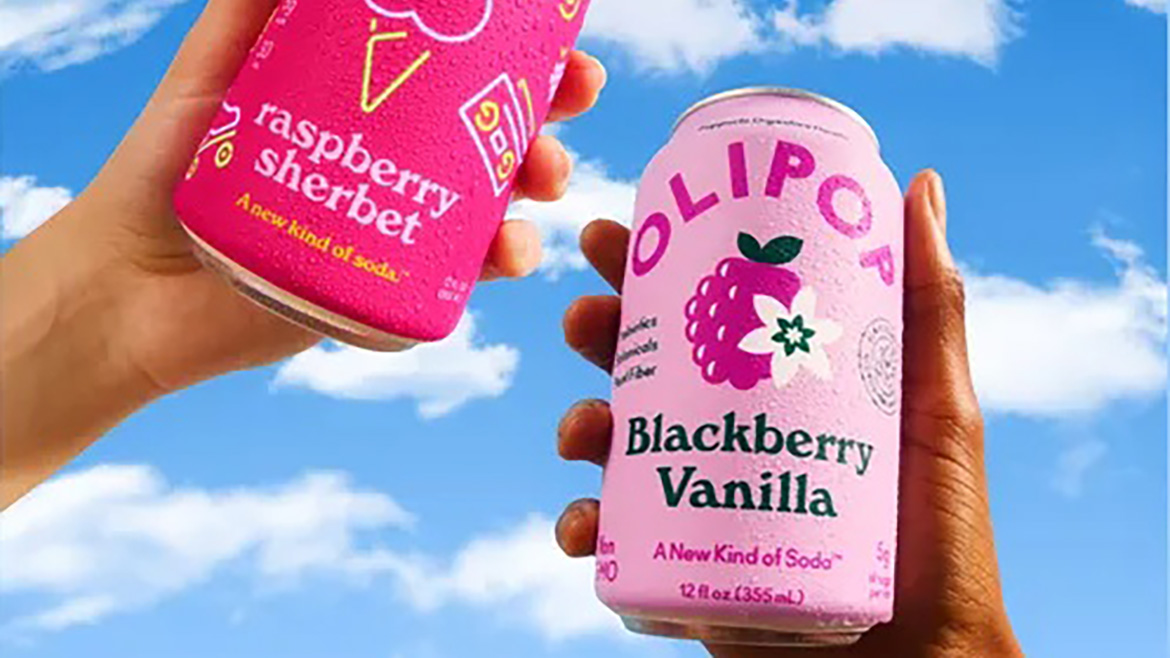
LTO Raspberry Sherbet flavor is part of OLIPOP’s 6g Fiber line. Blackberry Vanilla, one of OLIPOP’s most-requested LTO flavors, contains 5 grams of sugar and 9 grams of fiber. Image Courtesy of OLIPOP
Targeted Gut Health Opportunities
Several product categories are particularly suitable for gut health ingredients and associated claims. Dairy is a natural home for gut health claims, since the bacterial cultures in yogurt and fermented dairy drinks are well-established in their relationship to gut health. The addition of prebiotic fiber enhances that relationship. More recently, and with expansion in fiber ingredient options, soft drinks and hot drinks are driving growth in gut health product options. Convenience also appeals to busy consumers. Innova has seen a flurry of launches of fiber supplements in single-serve, add-to-water “stick packs” that make it convenient to add fiber in an on-the-go lifestyle.
Athletes work toward maximizing their performance and health. In sports nutrition, digestive health fits into the focus on overall wellness, and a well-functioning digestive tract improves physical comfort during sports activities. Innova has been monitoring solid growth of new product launches with fiber claims in sports nutrition.
Much of fiber innovation centers on prebiotics. Prebiotics are fiber ingredients that nourish gut bacteria, help promote gut health, and support stronger immunity through better gut health. Key categories for prebiotic ingredients and claims include babies and toddlers, where gut health is a key priority for parents, beverages, dairy, and cereals. A major advantage of prebiotic ingredients is their scientific substantiation and proof of health benefits.
Companies are innovating around fiber-rich ingredients and products that also meet consumer expectations for taste and texture. The prebiotics chicory root inulin and oligofructose are well-established ingredients that have a neutral taste and slight sweetness. They are particularly well-suited for use in dairy, bakery, beverages, and supplements. Watch for a broader range of fiber ingredients that provide the functionality of prebiotic fiber, along with potentially better gut tolerance, including soluble corn fiber, oat fiber, soluble tapioca fiber, and cassava fiber.
Sustainability is a driving force for fiber ingredient innovation. Upcycled plant side streams, like fruit and vegetable byproducts, can serve as functional and sustainable fiber sources. Expect to see continued innovation of upcycled fibers that help boost gut health and nutrient density.
The Healthy Beverage Renaissance
The broad availability of soluble prebiotic fibers like inulin, oligofructose, and tapioca fiber has revolutionized the marketplace for functional beverages. These fiber ingredients dissolve in liquids and enable the development of gut health soft drinks without any sacrifice of appearance, texture, or taste. Innova has also seen more “fiber stacking,” where products include a suite of fiber ingredients rather than a single type of fiber.
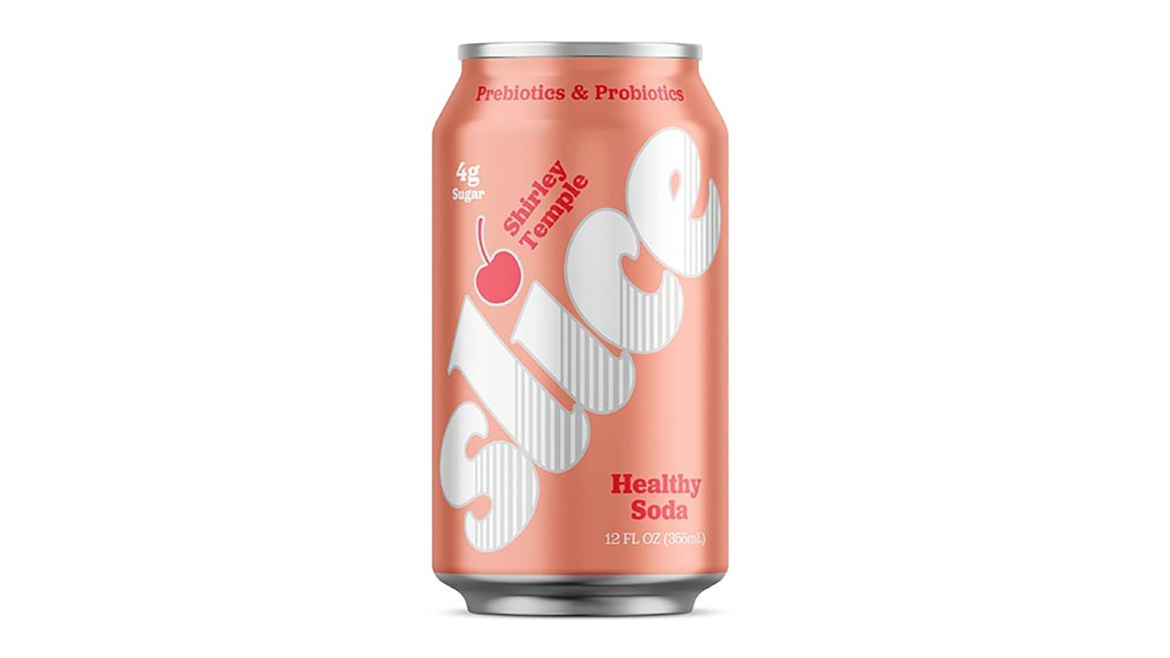
Beverages with gut health benefits face growing competition and crowded shelves, making it challenging to stand out. Consumers can choose among gut health drinks with prebiotic fiber, probiotic strains, or prebiotic fiber plus probiotic strains. The addition of protein ingredients, such as clear whey and clear pea protein, allows brands to boost nutrient density while supporting gut health and maintaining desirable sensory properties. Gut health beverage brands need to differentiate themselves from the competition with:
- Exciting packaging
- Clear labeling
- Highly visible declarations of benefits
- Active promotion
- Exciting product features
- Great taste
Given high levels of consumer concern about budget, product price point is important, too.
Two new technologies, precision fermentation and AI, are fostering new opportunities for gut health ingredients. Suppliers increasingly use precision fermentation to produce a broad range of ingredients associated with gut health, including prebiotic fibers. Meanwhile, AI can help identify new potential gut-friendly fibers for additional research. Also, the strong influence of social media, especially for younger generations, puts pressure on brands to deliver in sensory satisfaction, as well as effectiveness.
Looking for a reprint of this article?
From high-res PDFs to custom plaques, order your copy today!


