
Articles Tagged with ''food dyes''

Natural Colors Move From Trend to Mandate
With eight synthetic dyes on their way out, developers are racing to reformulate using plant-based and fermentation-derived pigments
Read More

Walmart to Drop Synthetic Dyes and 30 Additives from Private Brands
Reformulation effort spans Great Value, Marketside and other lines as consumers demand cleaner labels and ingredient transparency
Read More

Easy Street Debuts No-Prep, Flavor-Packed Chicken Across 10 States
From Street Taco to Korean BBQ, the antibiotic-free, dry-seasoned chicken delivers big taste in minutes, bringing foodservice expertise and better-for-you convenience to retail shoppers
Read More

Rush to Shift to Natural Colors is Accelerating
Understanding the impact of new food dye policies and how market research can help businesses navigate the transition is crucial for staying competitive.
Read More


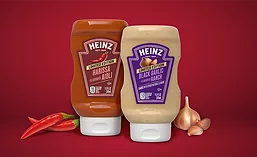
Kraft Heinz Commits to Remove FD&C Colors From US Portfolio
The company aims to complete the transition prior to the end of 2027
Read More


How Tariffs, GLP-1, and Ingredient Bans Are Reshaping the US Food Industry
Prepared Foods talks tariffs, food color bans, GLP-1 and more with Rob Dongoski, Kearney’s global lead for Agriculture and Food.
Read More


FDA Moves to Eliminate Petroleum-Based Food Dyes from National Supply
Agency says it is working with food manufacturers to take initial steps toward ingredient removal and substitution
Read More