With new certifications, measurable climate impact, and growing consumer interest, the Upcycled Food Association and its members are spotlighting food waste solutions across industries
Upcycling has the annual potential to reduce 5.56M Metric Tons CO2e (total emissions) and particularly reduce 71k Metric Tons CH4 (highly potent methane - food waste is a top source) as well as save 557B gallons of water by diverting 1.94M Tons of food in the US alone as measured by ReFED.
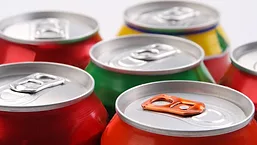
The food industry is bracing for impact to supply chains as President Donald Trump increased steel and aluminum tariffs to 50% on Wednesday. Food and beverage packaging supplies across categories could be affected by the tariff jump. Elevated duties could prompt pricing shifts among metal packaging manufacturers who produce caps and closures as well as foil products.
In September 2024, David launched and debuted its flagship product: a protein bar with 28g of protein, zero sugar, and just 150 calories—offering the highest protein-to-calorie ratio on the market.
From stuffed biscuits to crispy hashbrown bites and even high-protein French toast, these comfort classics with a convenient twist are packed with bold ingredients and crave-worthy comfort.
Designed to reduce fraud and protect the integrity of the USDA Organic label, the rule expands who must be certified, tightens documentation requirements and increases oversight of imported organic ingredients.
Nearly half (48%) of respondents correctly believe these labels signal when a product begins to decline in quality. Another 29% see them as an indication of food safety risk, while 17% interpret them as the exact day the food should be discarded.
Phorm Energy is the first innovation launched from the recently announced partnership between Anheuser-Busch, 1st Phorm and Dana White – with a vision.
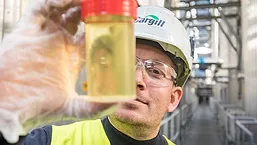
Cargill’s leadership in this space has made a tangible difference for customers and consumers around the world. Chantilly, a cherished brand in Mexico known for its bakery, pastry and confectionery products, is a standout example.
The announcement comes at a time when government involvement in market-leading vanilla countries like Madagascar and tariff uncertainty in the United States are driving food and beverage brands to expand the scope of their vanilla sourcing.