INNOVATION MONTH
Functional Fungi Fuel Next Wave of Food Innovation
Mushroom and mycelium ingredients gain traction for mental wellness, texture, and sustainability in new product launches

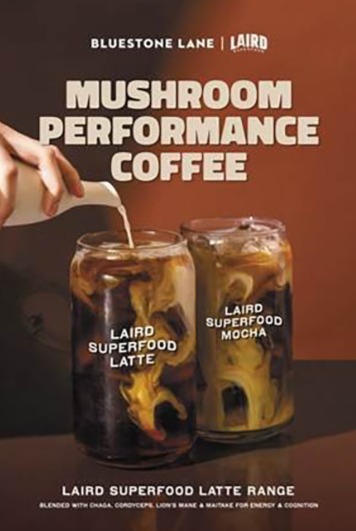
As I often do, I am framing this close-up on mushrooms and mycelium by first capturing the context of global and national trends monitored by Innova Market Insights. The popularity of mushrooms, specifically functional mushrooms, is driven in part by consumer desire for mental wellness and heightened performance. Certain mushrooms are promoted for their positive effects on various facets of brain function.
Today’s environment is filled with reasons for US consumers to be stressed mentally and emotionally. On a macro level, they tell us they worry about a number of global issues including immigration, corruption, and terrorism. They feel unsafe, distrust institutions such as government and corporations, and are concerned about job and economic security. Mental and physical wellness can feel like they’re under assault.
One of our Top 10 Trends for 2025 is Mindful Choices. This trend captures both the prioritization of mental and emotional health among consumers and the level of innovation by brands to help connect consumers with their feelings about mental health. Global new product launches addressing mental and emotional health concerns grew by +17% CAGR (2020‒2024) in soft drinks, one of the leading categories for mental and emotional health benefits. This is notably higher than the +5% growth rate seen for the soft drink category overall.
Innova Market Insights gains intelligence on the beliefs, priorities, and behaviors of consumers around the world, including in the US, by conducting a suite of consumer trends surveys during the course of each year.
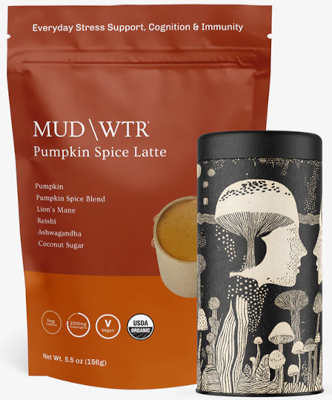
It’s no surprise American survey participants report a strong desire for mental and emotional wellness—along with the food and beverage products to help them achieve it. In fact, a majority of US consumers we surveyed name mental and emotional health and wellness as their top health goal and define feeling well as “feeling mentally happy and positive.” Their concerns about mental health include specific worries about insomnia, mental and physical fatigue, and aspects of brain performance such as focus, concentration, and memory.

Our surveys show US consumers have become more proactive to take charge of their health. Nearly two-thirds of those surveyed describe themselves as “somewhat” or “very” self-sufficient regarding health—with many becoming more self-sufficient during the past few years. Taking charge can incorporate aspects of self-care such as personal hygiene, improving sleep habits, choosing a healthy diet, managing stress, and engaging in regular physical activity. US consumers name sleep quantity and quality as essential to mental and emotional wellbeing. They also say that keeping an active mind is necessary for healthy aging.
Consumers in the US increasingly are interested in functional foods and beverages, which include products to improve mental and overall health and wellbeing. Mental health in functional food and beverage products presents an innovation opportunity for manufacturers to incorporate functional mushrooms into their products and educate consumers about potential benefits. US consumers show a high level of interest in mental health that far exceeds their association of mental health benefits with either botanical ingredients or functional mushrooms.
Growing Landscape of Mushroom Consumption in the US
The Mushroom Council attributes the popularity of mushrooms to their flavor, texture, mouthfeel, and versatility. They can be nutrient-rich as an excellent source of certain vitamins and minerals. They also are cultivated in a sustainable way.
Mushrooms can be split into three groupings: culinary mushrooms, functional mushrooms, and mycelium.
Culinary mushrooms such as button and portobella typically are incorporated into products and recipes for their flavor and texture rather than for functional benefits. Functional mushrooms—including Lion’s mane, reishi, cordyceps, chaga—chaga frequently are included and promoted for mental health benefits. However, they are used more commonly in supplements, where dosages can be concentrated and controlled, than in food and beverage. Mycelium, the underground network of “roots” for mushrooms, can provide meat-like texture to plant-based meat substitutes.
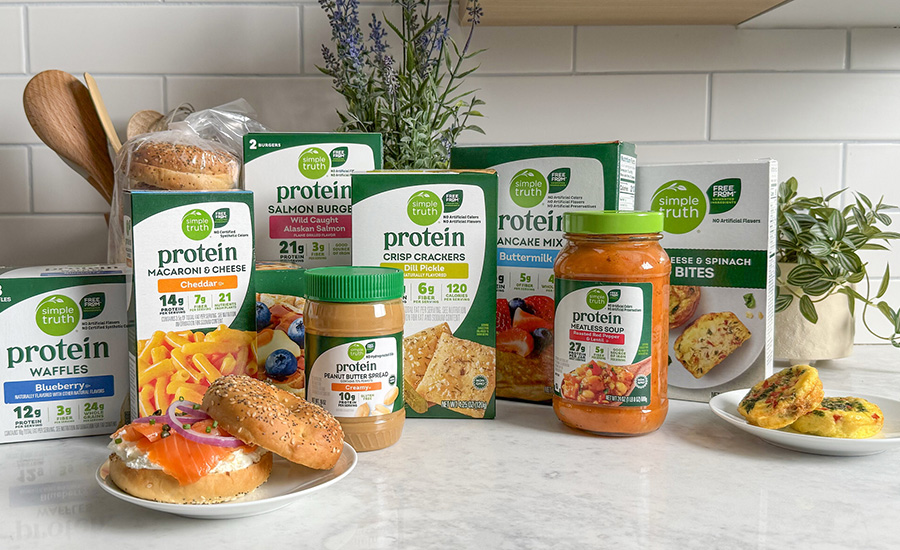
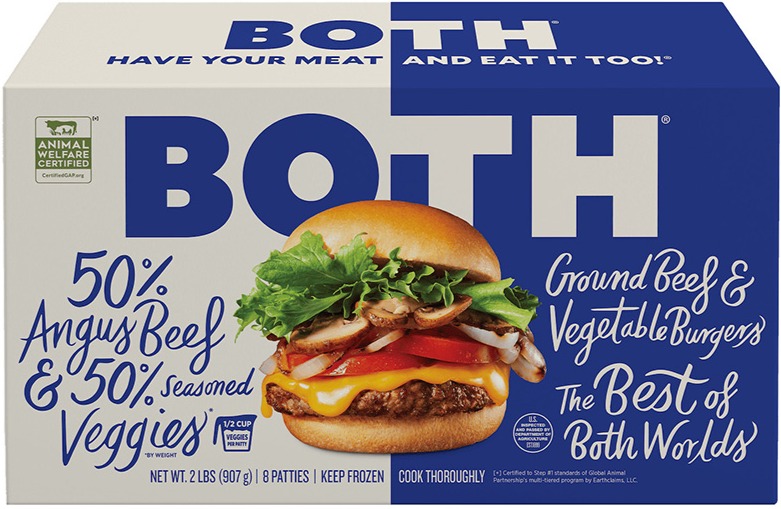
Innova’s database shows that growth in launches with any type of mushroom ingredient is flat. Mushrooms have the strongest presence in conventional categories such as ready meals, side dishes, soups, and standalone vegetable dishes. Functional mushrooms often are used in hot drinks, juices and nectars, flavored functional beverages, and dairy alternative drinks.
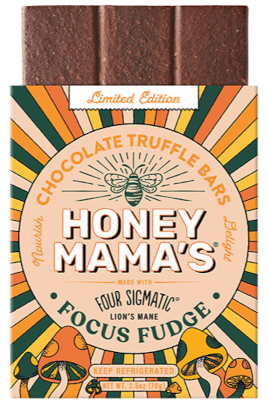
Growth in launches with mycelium is extremely strong in 2025. We are monitoring increasing numbers of launches with mycelium in confectionery, namely, chocolate bars, and continuing presence in hot drinks, led by functional coffee. Mycelium trends in plant-based meat substitutes fluctuate and depend on the number and size of product lines and extensions introduced by individual manufacturers.
Functional Mushrooms for Mental Health
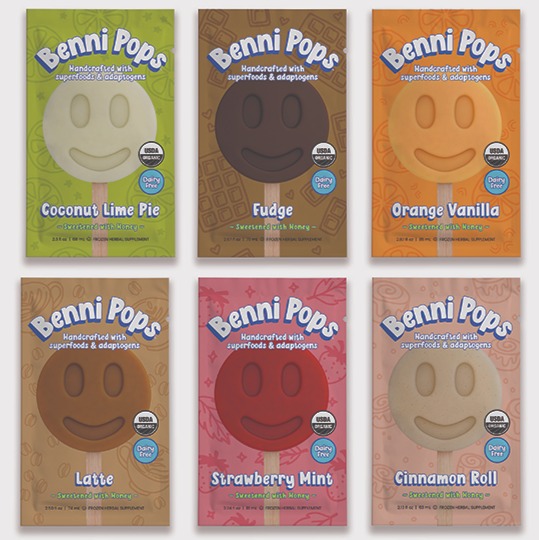
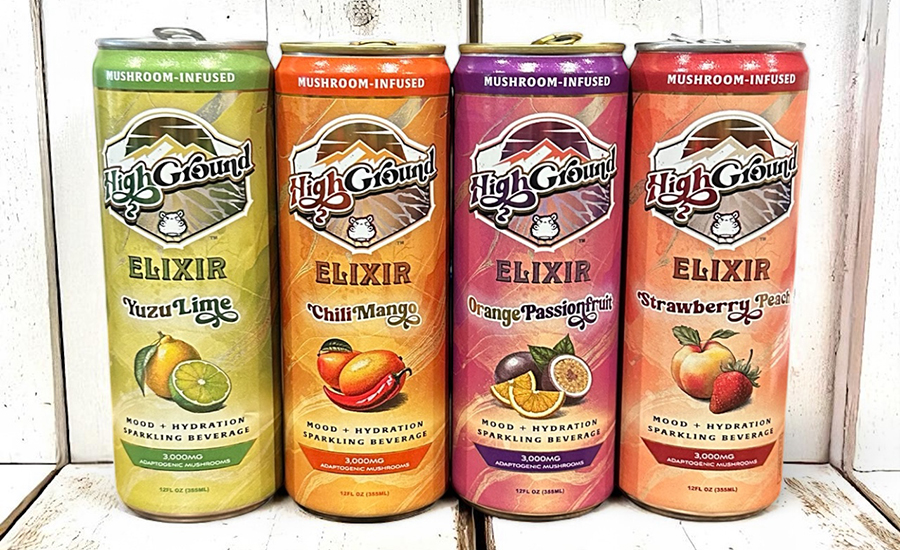
Functional mushrooms, including nootropic and adaptogenic mushrooms, have gained attention for perceived mental health benefits. Their presence in food and beverage product launches in the US is modest, while use of functional mushrooms in supplements is more prevalent. In food and beverage launches, Innova sees steady growth in the use of lion’s mane, increasing growth in use of chaga and reishi after a dip in 2024, and declining use of cordyceps.
Nootropic mushrooms, including lion’s mane, reishi, cordyceps, chaga, and maitake, are recognized for their potential to improve cognitive functions such as focus, memory, and mental clarity. Adaptogenic mushrooms—the same group of mushrooms plus turkey tail—are valued for their ability to help the body adapt to stress and promote immune resilience.
US consumers who seek better concentration at work or when gaming may look for nootropic benefits, while those experiencing high levels of stress and anxiety may be attracted to functional mushrooms with adaptogenic properties. Certainly social media is buzzing about functional mushrooms. Innova’s social media monitoring shows a +36% increase in mentions of mushroom mentions tagged as adaptogens and a reach of 94 billion in online posts mentioning functional mushrooms (July 2024-June 2025).
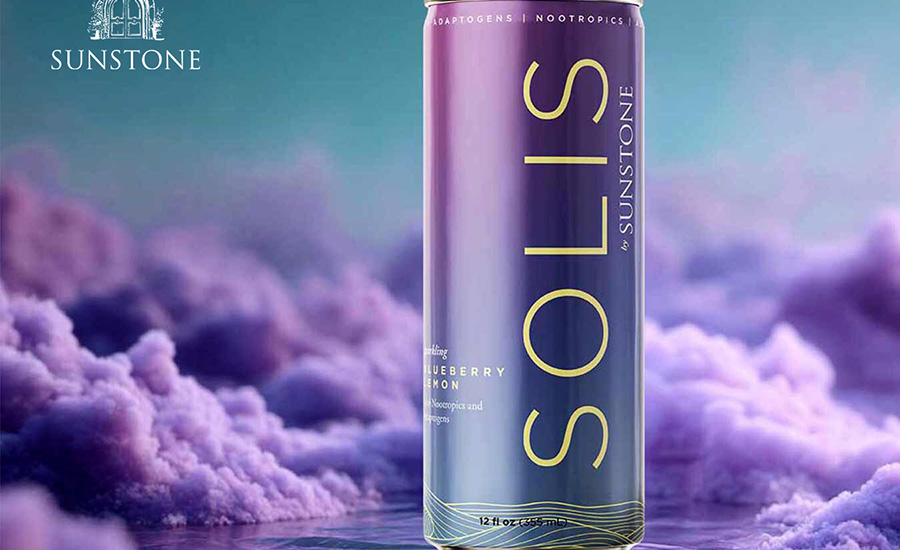
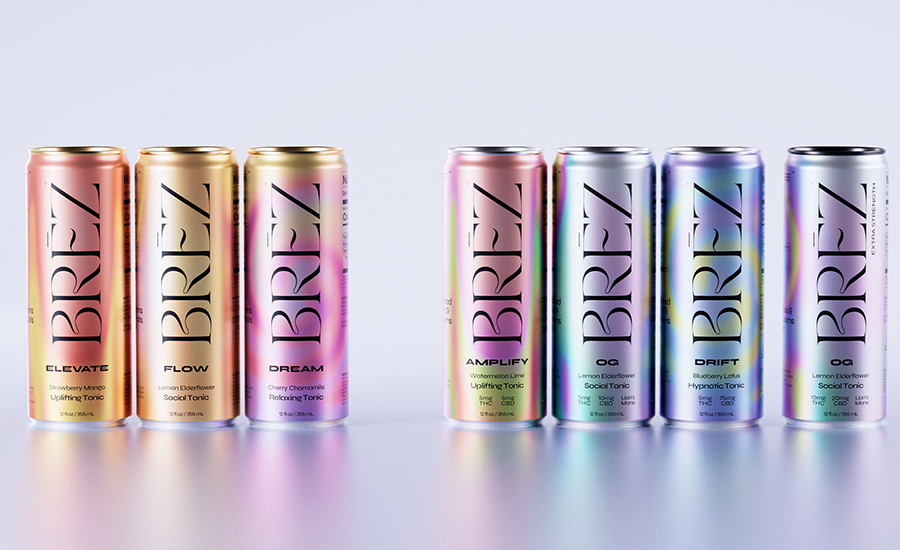
Ingredient combinations are common. Reishi often is combined with green tea, L-theanine, or other functional ingredients. A new beverage from Upstate Elevator Supply Co combines adaptogenic mushrooms with THC.
Functional mushrooms have a strong bitter and earthy flavor that can be challenging to mask. Pairing functional mushroom ingredients with another bitter component, for example, coffee or cacao, helps offset and balance the mushroom flavor. Newly released Macalat chocolate is sweet 70% Peruvian cacao with a natural cordyceps mushroom mycelium that “lets the superfood cacao’s fine flavor shine through while mitigating bitterness.”
Mycelium is sustainable, environmentally friendly, and versatile. It contains prebiotic fiber and can be used as a fat replacement, sweetener, texturizer and humectant, as well as a foundational ingredient in certain meat substitutes.
The Future for Mushrooms
Functional mushrooms have been in the spotlight for several years now. It’s hard to predict whether they will remain popular or begin to decline due to competition, saturation in the marketplace, budget concerns, or popularity of other ingredients that are highly promoted for their functional benefits.
Mycelium shows promise for its versatility and environmental friendliness. Growth will depend on manufacturer innovation in meat substitutes and other products, along with consumer trends around plant-based ingredients and products.
Looking for a reprint of this article?
From high-res PDFs to custom plaques, order your copy today!


