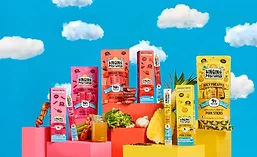
As consumers demand more targeted health benefits, formulators are shifting focus from total protein content to amino acids, peptides and bioactive fractions with specific physiological roles
Protein claims may dominate packaging, but the next wave of innovation is happening at the molecular level. From bioactive peptides and free amino acids to complementary plant proteins and functional protein fractions, developers are rethinking how protein delivers performance, health benefits and consumer value.
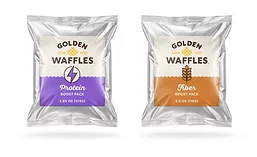
Golden Waffles introduced new Protein and Fiber Nutritional Boost Packs designed to work with its existing fresh-baked waffle program. The launch gives operators a simple way to align with growing consumer demand for protein, fiber and gut health while maintaining operational efficiency.
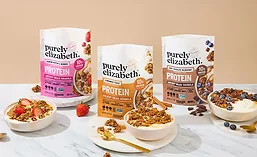
Purely Elizabeth is entering the protein-focused snacking space with a whole-food approach to granola formulation. Made with ingredients such as pumpkin seeds, almonds, cashews and chia seeds, the new line combines protein, fiber and ancient grains in gluten-free, vegan formulations designed to balance functionality and flavor.
Sprouts Farmers Market introduced Proda, a functional soda beverage formulated with 10g of protein, 3g of fiber and zero sugar per can. Available in flavors including Classic Orange, Root Beer and Strawberry Lemonade, the beverage is positioned as a better-for-you refreshment option designed to deliver hydration and functional nutrition without sacrificing flavor.
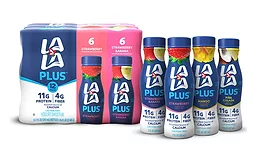
LALA is expanding its yogurt smoothie portfolio with the launch of LALA Plus, a lactose-free drinkable yogurt designed to deliver protein, fiber and calcium in a convenient format. Available in four fruit flavors, the new product targets consumers seeking nutrition-forward dairy beverages with added functional benefits.
From refrigerated meatballs to value-added meats, brands expand offerings for at-home meals
April 23, 2026
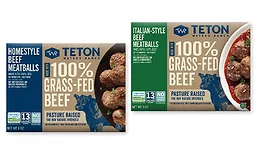
A wave of new protein products—from grass-fed meatballs to flavored SPAM and ready-to-cook chicken—highlights continued innovation in flavor and convenience. For product developers, the lineup reflects growing demand for quick-prep formats, global flavor influences and value-driven protein solutions.
PIILK is launching direct-to-consumer in the US with a seven-ingredient, clean-label protein beverage powered by fermented yeast protein. The streamlined formulation and single-source protein approach signal ongoing opportunities for developers to simplify RTD protein systems while maintaining functionality and sensory appeal.
Prima introduced an “ancestral” protein bar made with grass-fed beef tallow and egg yolks instead of conventional oils and additives. The approach required new solutions for sourcing, stability and manufacturing.
Bullish invests in the pasture-raised snack brand as demand rises for transparent, functional protein options. The move reflects growing interest in cleaner-label meat snacks and shifting preferences in on-the-go nutrition.
IFIC research finds gap between science and consumer perception of protein quality, creating opportunities for clearer communication and product positioning
Consumers prioritize taste, simplicity and overall health cues over scientific definitions of protein quality. The disconnect highlights new opportunities for product developers to better align messaging with shopper expectations.