Consumers will look for products that help them feel like better parents, successful entertainers, more relaxed “go-getters,” or the best of whatever they want to be.
As consumers continue to recognize the important place of digestive health in immunity and cognitive and emotional health, their appetite for food formulations that offer gastrointestinal benefits grows. As better-for-you food and beverage formulators strive to stay up to date on new ingredients in the pipeline, it’s worth a brief look at a few key ingredients expected to trend in the coming year and beyond.
Perhaps I’m in the minority, but I love surprises—especially when they are of the culinary sort. When Prepared Foods asked me to write about future food trends, it led me to think about all the change our food and beverage industry has endured during the past few years. I also am thinking how we’ve adapted so quickly, and with such extraordinary ingenuity. I started to reflect on what surprised me the most and what sort of change we can expect in the future.
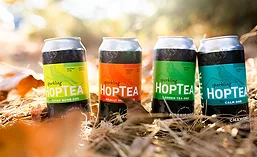
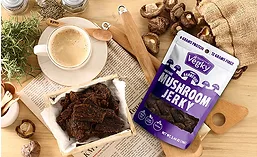
The Specialty Food Association Trendspotter Panel identifies food and beverage trends for 2022
December 23, 2021
In 2021, the Specialty Food Association (SFA) Trendspotter Panel virtually assembled at three separate digital SFA shows to research thousands of specialty food and beverage products from around the world. After recording their extensive findings, Denise Purcell, vice president, content and education for the SFA, pored over the data and deciphered five trends that will drive the growth of the $170.4 billion specialty food industry in 2022.
Comfort is Key: Consumers stay with comforting specialty foods, drinks say SFA’s Trendspotter Panel.
December 23, 2021
Heading into the second year of the COVID-19 pandemic, specialty comfort foods and beverages is an overriding theme. Here are SFA's 2022 Trendspotter Panel Trend Predictions.
Nearly two-thirds of US adults agree that the pandemic has made them reevaluate their life priorities, according to Mintel research on American values. In food and drink, US adults say the pandemic caused the most change in where they eat, how they grocery shop and how they approach their diets.
For centuries, cooks have artfully cross-pollinated cultural elements of flavor, and now culinologists are combining Latin and Asian ingredients and cooking techniques to launch innovative and flavorful prepared foods. Today’s retail shelves display a world atlas of culturally inspired experiences that might not be authentic yet answer the consumers’ desires to nourish themselves with fresh new takes on flavorful foods that simply taste good.
Looking at the position fibers and gums are playing in everyday foods and beverages reveals product developers paying closer attention to these key ingredients for their dual functions as both texturants and nutraceuticals. This has become especially evident where those two functions merge—in plant-based products designed to mimic meat and dairy.
What some thought was temporary adaptation to an unexpected retail store challenge, has proven to be a transformational period for our industry with eCommerce in the forefront.
Pre-pandemic changes in the workforce and an aging population contributed to a home-centric lifestyle
December 17, 2021
Most analyses during the pandemic have focused on discerning its impact on consumer behavior and forecasting how this might change going forward. However, before the pandemic structural changes in the workforce and the aging population already contributed to a home-centric lifestyle, and COVID accelerated it, reports The NPD Group.
 RSS
RSS