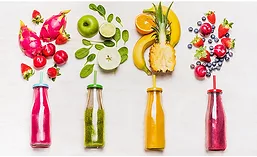
In the world of food colorants, the anti-artificial trend governs the space today, with natural colors appearing in about 75% of new food product launches. Consumers still use their eyes to choose foods, but they want the ingredients, including (and sometimes especially) any colors, to be derived from biological sources, such as fruits, vegetables, flowers, and other botanicals.
There are many GRAS or GRAS-affirmed ingredients poised for use in foods and beverages to improve health and well-being. Some are “new,” some have been gaining traction, and some are surprisingly familiar. Here are half a dozen that merit a closer look.
Innova Market Insight's 2021 Global Lifestyle & Attitude Survey reports that 43% of consumers are actively attempting to reduce waste and 32% are taking action to eat in moderation.
A comprehensive selection of flours and starches derived from ancient grains and seeds is increasingly being tapped for products that appeal to consumers seeking foods that are gluten-free or non-GMO, or simply have more healthful profiles.
Welcome to this series where we cover the most common mistakes suppliers make when calling on national foodservice accounts. This month we’ll discuss mistake No. 3, which is, "Not building relationships beyond purchasing."
Students find themselves in culinary school having come from many different backgrounds and having traveled down many paths. Some are cooks that are ready to move into a more challenging role in the kitchen; others want to learn new skills in baking by becoming a pastry chef; and others are building on years of cooking experience, having had no formal training. I found my way to Le Cordon Bleu Culinary School by way of music.
Evidence mounts on the important link between the gut and brain, as studies show the nutritional alteration of gut function is tied to enhancements in cognition
Mounting research into causes of dementia and cognitive decline have produced the recognition that two of the potentially modifiable risk factors into these conditions are diet and exercise. In a recent study at King’s College, London 418 adults age 65 and up were tested every two to three years over a 12-year period. Results revealed that cognitive decline and Alzheimer’s Disease were linked to levels of neural stem cell death. Importantly, underlying which was low levels of vitamin D, carotenoids, and lipids
Texture’s impact also is not limited to mouthfeel. It is relevant to a product’s flavor, appearance and even a related auditory sound. For these reasons, it plays a strong role in the entire eating experience.
From lactic acid fermentations of produce (such as kimchi and sauerkraut), to fermenting of dairy (cheese, yogurt, etc.), to the curing and smoking of fish and meat are all proven, effective methods and technologies humans have relied on through the ages to alter the intrinsic properties of foods and extend their consumability.
 RSS
RSS