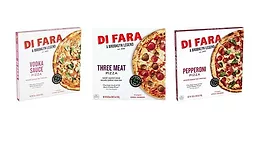
New SKU combines house-made meatballs, Italian sausage, and cup-and-char pepperoni, extending the brand’s premium, chef-affiliated offerings in the frozen aisle
The product enters the market at a sub-$10 price point, positioned to deliver restaurant-style quality within an accessible range — a strategy that reflects consumer interest in premium, chef-affiliated frozen options.
Four startups will advance bold, blueberry-forward innovations — from gut-health powders to fruit-first frozen desserts — in a nine-week program culminating at the 2025 Blueberry Convention
The Blueberry Boost Accelerator was launched earlier this year to fuel forward-thinking product innovation and elevate blueberries as a hero ingredient by supporting visionary startups.
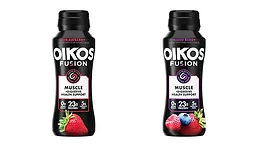
Danone also created a dedicated nutrition hub for GLP-1 users to deliver clear, credible guidance on the nutritional needs of GLP-1 medication users, featuring expert advice and product recommendations.
For product developers, this signals a growing market emphasis on personalization, health-forward meals, and flexible prep formats—all driven by data-backed consumer demand.
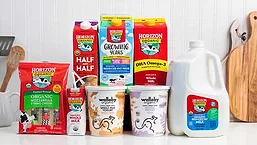
Horizon Organic and Wallaby meet several consumer demand drivers—organic certification, cleaner ingredient decks, value-added nutrition, and sensory appeal—positioning the brands for long-term relevance.
Seasonal product joins Little Debbie’s fall portfolio, combining nostalgic formats with trending pumpkin spice flavor to support limited-time offering strategies
Talma brings more than 30 years of experience across global food, beverage, and consumer goods industries, including leadership roles at Nature’s Way, Stasher, SC Johnson, and Unilever.
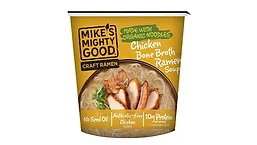
This launch highlights emerging trends around seed oil avoidance, clean-label comfort foods, and elevated instant formats that blend convenience with culinary cues and health-forward attributes.
While the grade given to their personal diets has not significantly changed since Americans were last to examine their diets in 2013, there is improvement in the grade given to the average American diet—up 11 percentage points since 2013.