Fiber Innovation Goes Mainstream as Brands Close the Nutrition Gap
Roquette's Iva François discusses how "fibermaxxing," GLP-1 adoption and formulation advances are expanding opportunities for fiber fortification
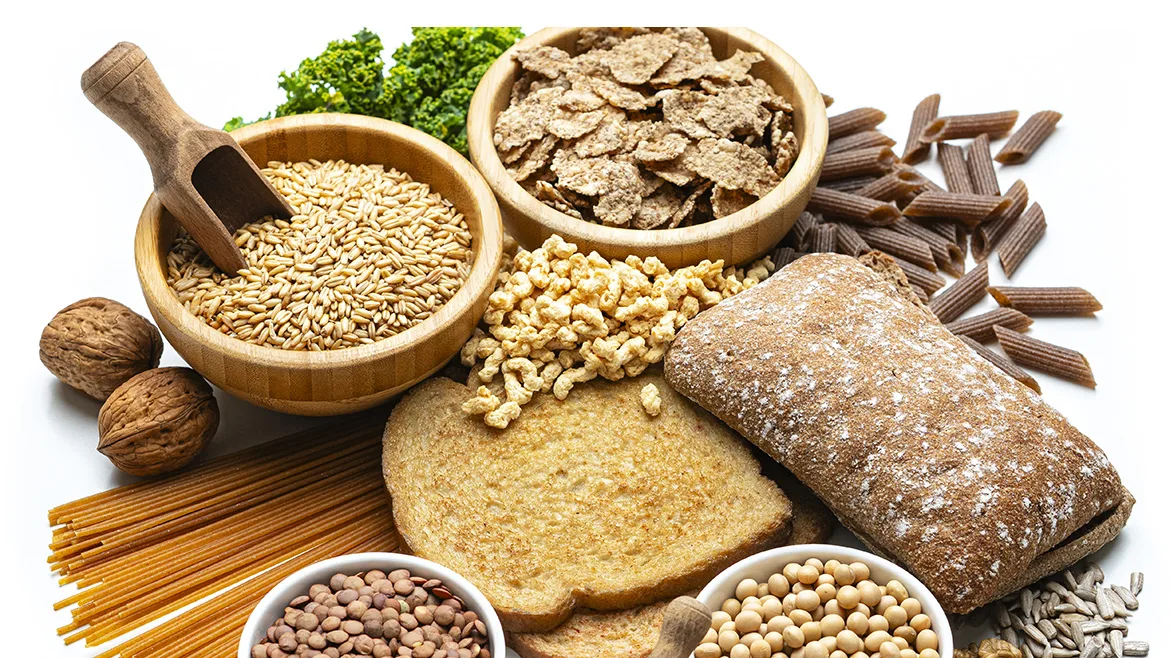
According to FDA, the Daily Value for dietary fiber is 28g, based on a 2,000-calorie daily diet. However, most Americans fall well short of that target, only consuming an average of 14g of fiber per day.
This has created the “fiber gap,” a significant dietary issue—and one that is not unique to the U.S. Europeans likewise consume far less dietary fiber than recommended by nutrition experts.

Iva François, global product marketing leader for fibers, Roquette. IMAGE COURTESY OF: Roquette
To better understand the fiber gap and how to address it through prepared foods and beverages, Prepared Foods reached out to Iva François is a senior marketing leader with over 20 years of experience in the food and beverage industry. As Global Product Marketing Leader for Fibers at Roquette, she drives the development and positioning of fiber-based nutritional solutions.
Prepared Foods: What is “fibermaxxing,” and why is it getting so much attention lately?
Iva François: “Fibermaxxing” is a viral social media trend where individuals more mindfully boost their daily fiber intake. The trend started on TikTok last year, with creators sharing their high-fiber meal pictures and videos to promote the consumption of more fiber. Now, consumers across the globe are also embracing this trend, trying to meet their fiber goals through improvements to their diets. This trend was borne out of the growing awareness that adults typically consume well under the recommended 25–30g per day of fiber, creating a persistent “fiber gap” that public health authorities are keen to fix. And given that consumers increasingly understand the links between diet, gut, and long-term health, it’s no surprise that improving fiber intake is gaining importance.
The “fibermaxxing” trend also comes at a time when GLP-1 medications are continuing to hit headlines. Increasing numbers of GLP-1 users are shifting toward smaller, nutrient-dense snacks and meals as a way to manage appetite and support satiety—and fiber is uniquely well-placed to help (Obesity, “Nutritional Considerations with Anti-Obesity Medications”). Incorporating well-tolerated fibers can support gut health by promoting regularity, as well as the growth of beneficial bacteria and the production of short-chain fatty acids (SCFAs). Fiber can also promote satiety, help reduce hunger, and support healthy blood glucose levels. Non-viscous, slowly fermented fiber formulations are, therefore, well positioned to meet the needs of this growing cohort of consumers (Gut Microbiome, “Dietary Fiber and the Gut-Brain Axis: Microbiota-Dependent and Independent Mechanisms of Action”).
Prepared Foods: How can fiber serve as inspiration for innovation and new product development?
Iva François: 2026 is the year of fiber. No longer seen as a basic nutritional requirement, it is a major driver of food innovation. We’re seeing a wave of fiber-forward products, from prebiotic soft drinks to fortified snacks and bars, designed with younger, health-conscious consumers in mind. This shift reflects rising demand for ingredients that deliver clear, functional benefits without sacrificing taste or convenience. Recent data shows food and beverage product launches with fiber-related claims rose by 6.6% from 2021 to 2025, signaling that brands are seeing fiber’s significant potential (Innova Market Insights, “Fiber and Prebiotics Trends in the U.S.”).
At the same time, innovation is driven by a broader understanding of what fiber can do. People increasingly link fiber to benefits beyond digestive health, particularly in areas like immunity, metabolic health, and even mental well-being. The gut-brain connection is an opportunity: Worldwide, 64% of consumers now recognize the link between gut health and emotional wellness (FMCG Gurus, “Digestive Health, Emotional Wellness, and a Drop in Demand”). This opens the door for more targeted, science-backed products that position fiber as a key ingredient in holistic health.
Prepared Foods: Are today’s shoppers looking for fiber in a wider range of products and product categories?
Iva François: Shoppers now expect to see fiber everywhere—not just in their breakfast cereal or a nutrition bar. As eating habits become more fragmented, with more snacking and on-the-go consumption, consumers want nutritional value built into multiple moments throughout the day. That’s pushing brands to bring fiber into formats it was not traditionally associated with, making better choices feel effortless.
External pressures are accelerating the wider use of fiber claims, too. Front-of-pack labeling systems and evolving nutrition guidelines increasingly reward higher fiber content, encouraging manufacturers to rethink recipes across entire portfolios. And shoppers are paying closer attention to nutrient density, seeking foods that deliver more nutritional value per calorie, alongside reductions in sugar and fat (International Food Information Council, 2024 “Food & Health Survey”). Fiber has become a key reformulation tool, enabling brands to enhance nutritional profiles while maintaining product appeal. Expect to see more fiber fortification across categories, where it will play a central role in meeting both regulatory expectations and changing consumer priorities.
Prepared Foods: What are some of the formulation challenges when working with high levels of dietary fiber?
Iva François: It’s not enough simply to add more fiber into formulations. Ingredients need to integrate seamlessly without affecting taste, texture, or visual appeal. The challenge is that the various types of fibers behave very differently. Stability through processing conditions like heat, shear, and changing pH, as well as over shelf life, is critical to ensuring the claimed benefits are delivered. If fiber degrades, causes sedimentation, or negatively impacts mouthfeel, it can undermine both product quality and consumer trust. That’s why careful ingredient selection and alignment with processing methods are essential for successful innovation.
In beverages, for example, soluble fibers are often preferred over insoluble ones because they dissolve easily, and don’t significantly increase viscosity. Some of them also remain stable through heat treatment and across a wide pH range, making them suitable for everything from acidic sodas to dairy-based applications. This versatility allows manufacturers to incorporate fiber into a wide variety of food and beverage products, from bakery and snacks to functional drinks like flavored waters, juices, RTD teas and coffees, and even sodas—without compromising taste or texture.
For more insights into formulating with fiber, see the Dietary Fiber topic on PreparedFoods.com.
Looking for a reprint of this article?
From high-res PDFs to custom plaques, order your copy today!


