The key challenges in crafting analogs of animal proteins are matching flavor, texture, nutrition profile, and conformity to the same utility in preparation and cooking as its animal analogs
While the die-hard vegetarians and vegans put up some resistance to the idea of mimicking animal protein, the creation of true analogs of meat, poultry, and seafood ushered in the huge plant-based boom driven by “flexitarians."
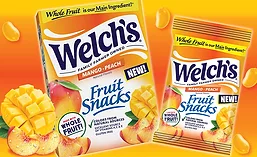
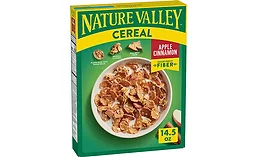
From cherry-packed limited editions and protein-rich smoothies to toddler snacks and nostalgic cereal twists, brands are dishing out bold flavors and better-for-you innovations to fuel every moment of summer
Organic food fraud is a growing threat as demand surges and global supply chains face new pressures. Product developers are exploring how to strengthen traceability, build direct farmer relationships and adopt new USDA enforcement tools to protect the integrity of the organic label.
Health-conscious consumers are pushing for better-for-you products with less sugar and cleaner labels, prompting manufacturers to reimagine sweetener strategies
Consumers are cutting back on sugar—and the food and beverage industry is responding with smarter sweeteners, cleaner labels, and bold innovation across categories. From indulgent treats to savory staples, sugar reduction is no longer a niche effort but a mainstream expectation reshaping product development.
Designed to reduce fraud and protect the integrity of the USDA Organic label, the rule expands who must be certified, tightens documentation requirements and increases oversight of imported organic ingredients.
Cheese consumption in the U.S. is at an all-time high. Discover how food scientists are transforming traditional cheeses like cheddar and mozzarella into innovative ingredients for modern food applications.